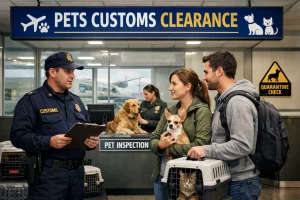
Moving a dog from the Philippines to the Netherlands might seem straightforward enough… till you start getting into the weeds: EU pet import regulations, rabies vaccination windows, IATA crate specifications, airline route options and what greets you once you arrive at Amsterdam Schiphol (or another EU port of entry). The good news? By planning in advance and knocking out the steps one by one, the trip can roll out in an orderly manner — no panic, no last-minute document drama.
Here is a more realistic, step-by-step, easy-to-follow for-real-this-time guide written for actual pet parents (not robots) with checklists and timelines and tips on using that crate.
Quick checklist (save this)
You’ll usually need:
- ISO microchip (implant before rabies vaccine, or same day)
- Rabies vaccination done correctly, with waiting time before travel
- EU Animal Health Certificate obtained 5 days prior to arriving (valid for a specific time frame)
- Possibly a rabies antibody titration (titer) test 3 months, depending on the status of your country.
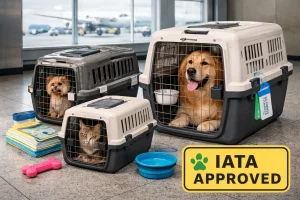
- IATA-compliant travel crate (correct size + ventilation + secure door)
- A routing plan that avoids risky connections and long layovers
Step 1: Confirm which “rabies rule set” applies (this changes your whole timeline)
For travel into the Netherlands from a third country, the requirements depend on whether your origin country is considered low risk or high risk for rabies. The Dutch NVWA specifically warns that rules differ by rabies risk status.
So, plan for two possible paths:
Path A: If the Philippines qualifies as “low-rabies-risk / listed” for your type of travel
Typical basics include microchip + rabies vaccine + waiting period and the correct certificate. The Netherlands also highlights the 21-day wait after rabies vaccination for entry situations where that rule applies.
Path B: If the Philippines is treated as “not listed / higher rabies risk” for your travel category
Then you usually need a rabies antibody titration test and a waiting period before entry. EU guidance describes the rabies antibody test process for non-EU movements when required.
And the testing timeline often works like this: blood sample at least 30 days after vaccination, and travel not less than 3 months after the sample date (when this route applies).
Practical consequence: many pets end up being around 7 months old before they can travel on the titer-test pathway.
Pet shipping tip:If you’ve lost track of which course you’re on, go with Path B until you can determine it, because it’s the longer path and it looks out for your schedule.
Step 2: Build a realistic timeline (so you don’t miss the flight)
Here’s a planning table you can use as a guide.
| Step | “Listed / low risk” style timeline | “Not listed / higher risk” style timeline |
| Microchip | Day 1 (before rabies, or same day) | Day 1 (before rabies, or same day) |
| Rabies vaccine | After microchip; then wait 21 days | After microchip; required before titer |
| Titer test | Usually not needed | Blood draw ≥30 days after rabies, then wait period applies |
| Waiting period after titer | N/A | ≥3 months after blood sample (when required) |
| EU Animal Health Certificate | Issued within 10 days before arrival | Same: within 10 days before arrival |
Also, note the Netherlands guidance: a blood test is not required if you travel from a low risk country.
Step 3: Create rules that airlines actually enforce (IATA CR1 basics)
Airlines don’t “kind of” check crates—they check them properly, and if the crate fails, they can refuse the booking at the counter. IATA guidance even says staff should not accept travel if the container doesn’t meet minimum standards.
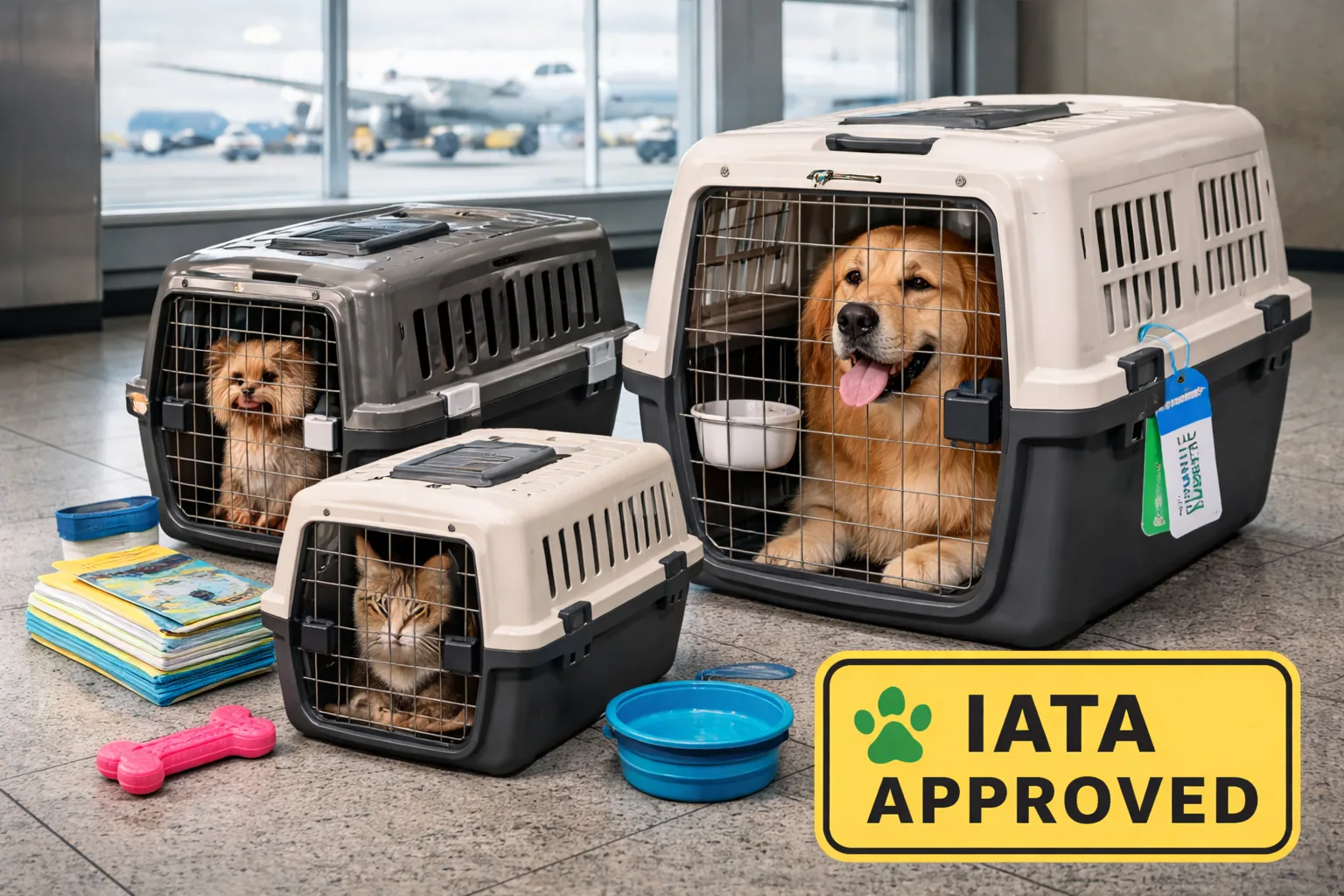
The IATA crate size formula (simple version)
Use internal crate dimensions:
- Length = A + ½B
- Width = C × 2
- Height = D + bedding
And snub-nosed breeds may need a larger crate.
Where:
- A = nose to base of tail
- B = elbow to ground
- C = shoulder width
- D = floor to top of ears/head
Related Articles:
» Pet shipping from Sweden to Oman: documents + timeline + cost factors
» Sweden to Australia pet relocation rules update (dogs & cats)
» Pet Shipping from South Korea to UK: Documents, Timeline & Cost Factors
» Moving a cat from Netherlands to USA
» Pet shipping from South Korea to France: documents + timeline + cost factors
Crate must-haves (don’t skip these)
A compliant dog travel crate should be:
- Rigid and escape-proof, with solid construction
- Leak-proof bottom + absorbent bedding (not loose straw)
- Proper ventilation (international flights often require ventilation on multiple sides; many airlines apply strict airflow rules)
- Door that locks securely, plus “Live Animal” labels without blocking vents
Small but important: Avoid crates with weak plastic door locks. Some carriers reject them fast.
Step 4: Choosing airline routing from Philippines to Netherlands (safe > cheap)
You can route a dog from the Philippines to the Netherlands in a few ways, and the “best” choice depends on your dog’s size and temperament.
Option 1: One-stop routing on a single ticket
This is usually safer because:
- The airline keeps custody and handles transfers.
- You reduce the risk of a missed connection.
- You avoid re-check procedures in the middle.
Option 2: Two-stop routing (only if needed)
Sometimes schedules force two stops. If so:
- Choose longer, calmer layovers (not sprint-layovers).
- Avoid airports known for extreme heat exposure at cargo areas.
- Try not to change airlines mid-journey unless you must.
Cabin vs checked baggage vs manifest cargo
Airlines can place pets:
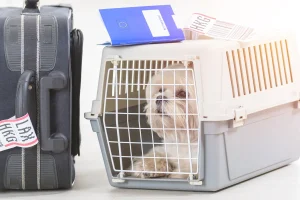
- In cabin (usually only for very small pets + strict carrier size limits)
- As checked baggage (limited availability; policy varies)
- As manifest cargo (common for larger dogs)
Because airlines set their own acceptance limits, your crate and routing plan must match the airline’s rules, not just “general advice.” Still, IATA standards form the baseline that carriers check.
Step 5: Pre-flight prep that reduces stress (and problems)
A few moves make a big difference:
- Crate training: Start early. Feed meals inside the crate, leave the door open, and build positive time.
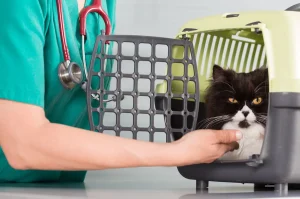
- Health check: Schedule a vet exam close enough to travel so your vet can support the certificate appointment.
- Hydration plan: Freeze water in a no-spill bowl the night before (it melts slowly during travel).
- Label everything: crate label, your contact details, destination contact, “Live Animal.”
Sedation warning: Some airlines’ policies work against sedation because it can be risky at altitude. Check with your vet for calming options (routine, pheromone spray, familiar blanket). Don’t DIY medication, please.
Step 6: Documents for arrival in the Netherlands (what border staff may ask)
For entry into the EU, travellers typically need an EU animal health certificate issued shortly before arrival—often not more than 10 days before the pet reaches the EU.
The Netherlands guidance also emphasizes:
- Microchip details recorded properly (chip date + number)
- Rabies vaccination done with the correct timing, including the 21-day wait when applicable
- If your route requires it, titer test timing and the related wait period
What happens at the airport
On arrival (often Amsterdam/Schiphol for the Netherlands):
- You present documents (certificate, rabies proof, microchip details).
- They may verify the microchip number matches paperwork.
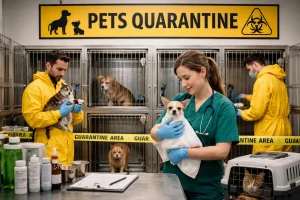
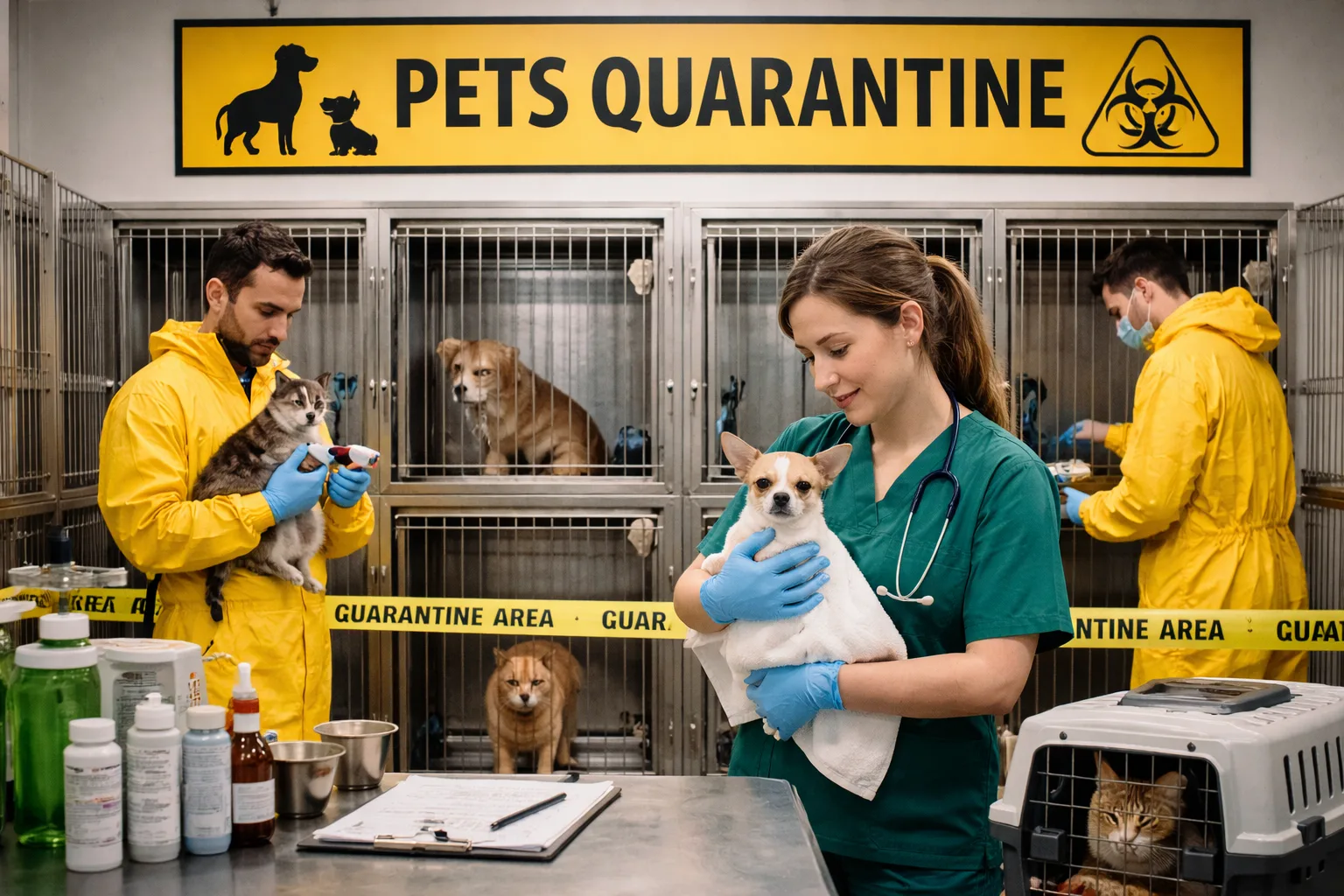
- If something doesn’t match, officials can take extra measures (delays, return, or quarantine procedures depending on the case). EU-aligned agencies warn that non-compliant pets may be refused entry or quarantined at the owner’s expense (rules vary by scenario).
Common mistakes we see (and how to avoid them)
- Microchip after rabies vaccine (wrong order in many cases) → chip first, then vaccinate
- Certificate issued too early → remember the 10-day arrival window for the EU health certificate
- Wrong crate size → if the dog can’t stand and turn properly, airlines may reject
Ignoring titer timing (when required) → sample timing and the 3-month wait matter
FAQs: Philippines to Netherlands dog relocation
if you comply with microchip, rabies, certificate and any titer rules in place. If the documents don’t come through, officials can issue restrictions.
Commonly: ISO microchip, rabies vaccination proof, and an EU animal health certificate issued within the correct time window.
In many cases you must wait 21 days after rabies vaccination before entry.
It depends on the rabies risk status/category for your travel. NVWA notes requirements differ by risk level, and EU rules explain the titration pathway when required.
In this pathway, travel must occur at least 3 months after the date of the blood sample collection (with a minimum 30 day gap between vaccination and sampling).
If rabies + 21-days only Rawn pups usually become eligible by around 15 weeks (3 months rabies + 21 days). If the titers pathway applies, it could be closer to 7 months.
Use IATA’s sizing formula (Length = A + ½B, Width = 2×C, Height = D + bedding).
Yes. Airlines check crates at acceptance, and IATA guidance says they shouldn’t accept travel if the crate fails minimum standards.
Sedation is generally not recommended by the majority of airlines because of safety issues. Work with your vet on safe calming measures.
Yes for many non-EU entries. It typically must be issued not more than 10 days before arrival in the EU.
Expect document checks and microchip verification. If paperwork doesn’t match requirements, problems can follow (delay, refusal, or other measures depending on case).
Usually a single-ticket, one-stop route with fewer handoffs. Keep layovers reasonable, and avoid risky temperature windows.