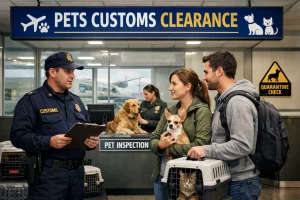
If you’re planning Pet from Saudi Arabia to South Korea, you’re already doing the right thing by researching early. Korea is organised with pet entry, but they’re also strict. So, when the paperwork lines up, your pet lands, gets checked, and you’re on your way. However, when one detail doesn’t match—like a microchip digit typed wrong—everything slows down and the stress goes up (for you and your pet, honestly).
In this guide, I’ll walk you through the documents, a realistic timeline, and the biggest cost factors that affect your final price. I’ll keep it practical, because you don’t need fluff—you need a clean plan.
First things first: what South Korea usually wants to see
Korea’s checks are mostly about identity + rabies compliance. In simple terms, they want proof that:
- Your pet has an ISO microchip (15 digits)
- The rabies vaccine is current and linked to that microchip
- You have a rabies antibody/titre test result where required
- A vet has issued a valid health certificate close to travel
That’s the core. Then airlines add their own requirements like crate rules, booking limits, and temperature restrictions. Get details on Pet Shipping in UK
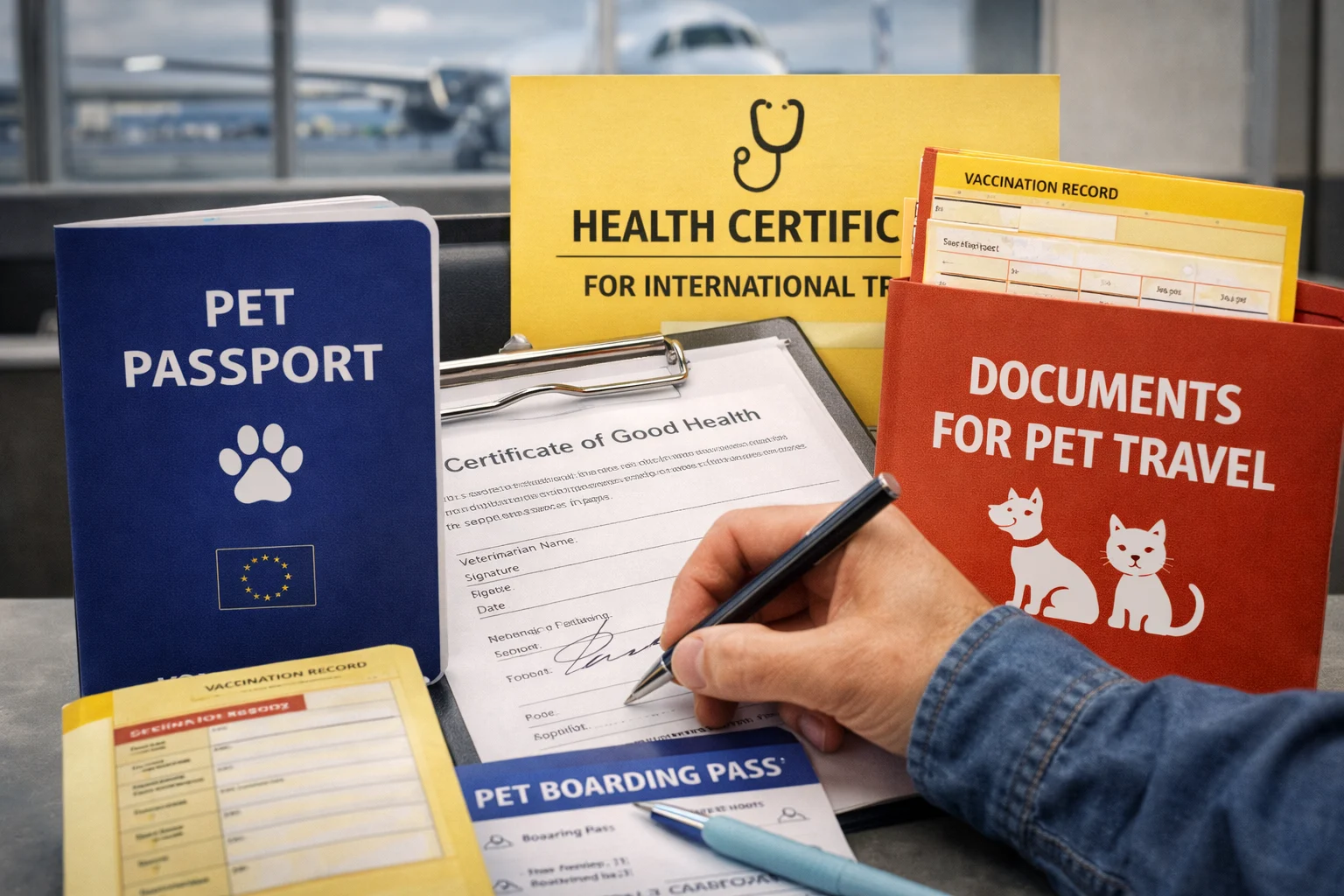
Documents checklist for Saudi Arabia → South Korea pet travel
1) Microchip (ISO 11784/11785)
This is non-negotiable for smooth entry. Your vet should scan the chip and record it clearly. Make sure the microchip number appears on:
- Microchip certificate/record
- Rabies vaccination certificate
- Titre test paperwork
- Final health certificate
- Airline forms (if they ask)
Tip: print the microchip number and check it letter-by-letter (well, digit-by-digit). One wrong digit can mess up the whole arrival process, no joke.
2) Rabies vaccination certificate
For dogs and cats, rabies compliance is the main thing. Your certificate should show:
- Vaccine name + batch/lot number (if available)
- Vaccination date
- Validity/expiry date
- Vet stamp and signature
- Microchip number (must match)
Also, do not do rabies first and microchip later. Get the chip done first, then rabies. It avoids arguments and delays later.
3) Rabies antibody titre test (RNATT / FAVN style)
A rabies antibody (titre) test is required in many Korea travel pathways, and it is usually necessary for the result to meet an accepted level (> 0.5 IU/mL in most cases). Practical takeaway: this test tends to determine your travel date, since you also need lab time and document matching.
Even if someone tells you “my friend didn’t need it”, don’t rely on that. Rules can vary by pet age, history, and how the documents are issued.
4) Official health certificate (final travel certificate)
This is the “final clearance” paper. You usually do it close to the flight (often within a few days). It confirms:
- Microchip number
- Vaccination details (especially rabies)
- General health and fit-to-fly status
- Sometimes parasite treatment notes (depends on vet and route)
Important: this certificate must match the other documents exactly. Same microchip number, same pet description, same dates.
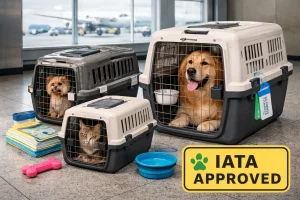
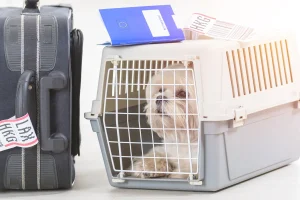
5) Airline paperwork + crate compliance
Airlines can ask for extra items like:
- Shipper’s declaration (cargo bookings)
- Feeding/watering instructions
- Emergency contact details
- Crate labels (LIVE ANIMALS, arrows, etc.)
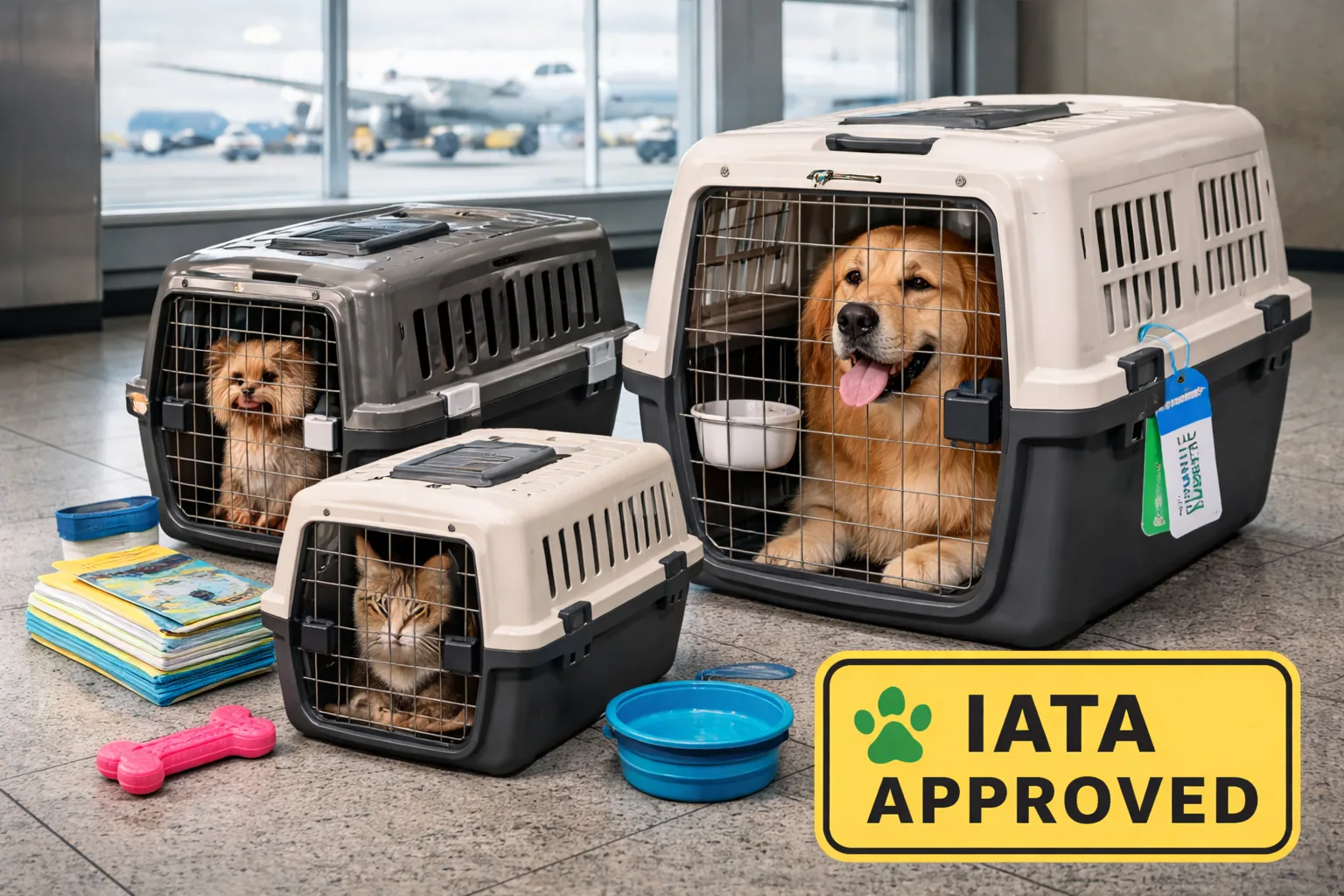
- Confirmation that the crate meets airline standards
Even if your “country documents” are perfect, an airline can still refuse travel if the crate is wrong or the booking isn’t confirmed.
6) Owner documents
Keep these ready in your folder:
- Passport/ID copy
- Address + contact details in South Korea
- Importer details (usually you)
- Flight booking copy + airway bill (if cargo)
Timeline: a realistic plan that avoids last-minute panic
People try to do this in two weeks and then wonder why it gets messy. Yes, sometimes it works. But if you want a smooth move, use a timeline like this:
8–10 weeks before travel
- Decide your shipping method: cabin (rare), accompanied excess baggage, or cargo
- Check airline pet capacity for your route
- Buy the crate early and start training your pet
Crate training matters more than people think. A pet that happily goes into the crate saves you so much drama later.
6–8 weeks before travel
- Confirm microchip is ISO and readable
- Update rabies vaccination if needed
- Collect all vaccine records (don’t leave it scattered across WhatsApp messages)
If rabies is expiring soon, don’t “cut it close”. Renew with enough buffer so your travel date isn’t risky.
4–7 weeks before travel
- Do the rabies titre test (if required for your case)
- Track lab turnaround time and make sure the report shows microchip number correctly
This is where timelines often slip. Labs aren’t always fast, and couriers can delay.
2–3 weeks before travel
- Lock your flight booking (especially for cargo)
- Review every document for matching details
- Confirm any Korea-side handling (if you’re using an agent)
Final 7–10 days
- Schedule the final vet check
- Prepare printed copies + digital copies
- Confirm crate stickers, bowls, and absorbent bedding
Final 2–5 days
- Issue the official health certificate
- Re-check microchip number on every page (again, yes again)
Departure day
- Arrive early (cargo takes time)
- Keep calm energy—pets read you
- Carry a “pet arrival kit” in hand luggage: lead, wipes, small food, collapsible bowl
Related Articles:
» Pet shipping from Qatar to India: Documents + timeline + Cost factors
» Pet shipping from Switzerland to UK: Documents + Timeline + Cost factors
» Pet Shipping from India to Australia: Documents + Timeline + Cost Factors
» Pet Shipping from South Korea to UK: Documents, Timeline & Cost Factors
» Pet shipping from Sweden to Oman: documents + timeline + cost factors
Cost factors: what actually drives the price
If someone gives you one flat price without asking questions, be careful. Costs can change a lot depending on the pet and the route. Here’s what affects your quote the most.
1) Pet size + crate size
This is usually the biggest driver. Airlines often charge by “chargeable weight”, which can mean volumetric weight (crate dimensions) rather than the pet’s actual weight.
So a tall crate can cost more even if your pet isn’t that heavy. Annoying, but that’s how air cargo works.
2) Route complexity (direct vs transit)
Direct or fewer transits usually costs more, but it reduces risk. More stops can mean:
- Longer total travel time
- Extra handling
- More chance of delays
- More stress for the pet
Sometimes paying more for a cleaner route saves money later (because you avoid rebooking and extra handling).
3) Vet costs + lab costs
Budget for:
- Microchip implant (if not already done)
- Rabies vaccine/boosters
- Titre test and lab/courier fees
- Final exam + health certificate fees
- Any extra shots or parasite control your vet recommends
The titre test is one of the more expensive “admin style” items, and it can’t be rushed easily.
4) Cargo terminal / handling charges
Cargo shipments often include:
- Terminal handling fees
- Storage fees (if paperwork delays happen)
- Document processing charges
This is why clean paperwork matters. A delay can cost money daily.
5) Pet shipping service fees (optional)
If you use a pet shipper, you pay for convenience and risk reduction. Fees may include:
- Document review + corrections
- Flight booking coordination
- Airport drop-off/collection support
- Customs/quarantine coordination in Korea
If your schedule is tight, a good shipper can save your move. If your schedule is relaxed and you’re detail-focused, DIY can work too. Read on Pet Shipping in Mumbai
6) Seasonal restrictions
Some airlines restrict pet travel during extreme heat/cold periods, or on certain aircraft. This can force a route change or a new date, which can bump costs.
Budget table (simple and useful)
These aren’t fixed prices—just the main buckets you should plan for.
|
Cost category |
What it covers |
What makes it higher |
|
Vet prep |
vaccines, check-ups, certificate issuing |
re-issuing docs, tight timelines |
|
Lab testing |
titre test + courier |
repeat tests, express handling |
|
Crate |
compliant travel crate, bowls, labels |
larger size, custom fit |
|
Flight charges |
excess baggage or cargo rates |
crate dimensions, peak season |
|
Handling |
terminal processing and storage |
delays, longer holds |
|
Service fees (optional) |
shipper support, coordination |
urgent bookings, complex routing |
|
Buffer |
rebooking, extra nights, document fixes |
errors, airline changes |
Common mistakes (and how to dodge them)
- Microchip mismatch across documents: the most common and most painful issue.
- Rabies shot done before microchip: can lead to redoing steps.
- Leaving the titre test too late: you end up chasing labs and panicking.
- Wrong crate sizing: too small = rejected; too big = you pay extra.
- No crate training: pets can refuse the crate at the airport, and that’s a nightmare moment.
Comfort and safety tips (small stuff, big impact)
- Start crate training early: treats, short sessions, calm praise.
- Don’t overfeed before travel; keep it light.
- Avoid new foods right before the trip (stomach upset is real).
- Everything has to be labeled: microchip number, the name of your pet, your Korea phone number and destination address.
- Keep your voice calm. And even if you’re stressed, don’t let them see just how much. I know it’s hard.
FAQs: Pet shipping from Saudi Arabia to South Korea
Usually: ISO microchip, rabies vaccination certificate, rabies titre test (when required), and an official health certificate, plus airline documents.
In many cases, yes. It depends on your pet’s age and rabies history, and the way documents are issued. Plan for it early so you don’t get stuck.
If you’re starting fresh, plan around 6–10 weeks. If your pet already has valid rabies and accepted test history, it can be faster.
Sometimes, for very small pets, but it’s route and airline dependent. Many international routes don’t make cabin easy, so check first.
When booked properly with the right crate and a suitable route, yes. The key is airline selection, crate compliance, and avoiding extreme temperatures.
Usually crate size and airline chargeable weight. Bigger crate = bigger cost.
If you’re short on time or nervous about paperwork, a shipper helps. If you’re detail-oriented and have time, DIY can work too.
Typically close to the flight (final days). If issued too early, it may become invalid before travel.
A strong airline-accepted crate with proper ventilation, secure door, and correct sizing (pet can stand and turn comfortably).
Most airlines discourage it. Speak to your vet first and follow airline rules—don’t guess here.
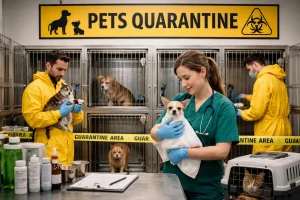
If documents are perfect, quarantine time is often minimal or avoided, depending on entry checks. If paperwork is missing or inconsistent, holds can happen.
Make sure the microchip number matches on every single document, and keep printed + digital copies ready.