If you’re planning pet shipping from Thailand to Bahrain, you’ll feel two pressures at the same time: you want the move done fast, and you also can’t afford a paperwork mistake. So, in this guide, I’ll break down the Bahrain pet import requirements, the Thailand-side export steps, a realistic timeline, and the biggest pet shipping cost factors—without making it complicated.
1) Bahrain pet import requirements (what usually matters most)
Bahrain typically expects your pet to enter with a clean identification trail + rabies compliance + government paperwork.
A. Microchip (ISO standard)
Make sure every document shows the exact 15-digit ISO microchip number ((ISO 11784/11785) your dog or cat has—no typos or missing numbers.
B. Rabies vaccination (timing matters)
Bahrain is strict about rabies . In practical terms, pet owners often plan the rabies vaccine so it’s more than 30 days before travel, and they keep it current. A Bahrain-focused relocation advisory for US service members notes Bahrain may not recognize 3-year rabies vaccines, and it recommends planning 3–4 months in advance.
C. Rabies titer test (FAVN/FADL)
For pets arriving from countries that aren’t considered rabies-free, Bahrain requires a rabies titer test (FAVN/FADL) in many cases. One Bahrain relocation page specifically states this requirement, and general Bahrain import guidance also highlights it as part of the “pet passport” document set.
A common workflow looks like this:
- microchip → rabies vaccine → wait period → blood draw for titer (often no sooner than 21 days after rabies vaccination per common guidance)
D. Bahrain import permit
Before travel, you generally need a Bahrain import permit / license (often described as a personal import permit for live animals). Bahrain provides an official eService for individuals to request an import license for live animals, which is a good starting point when you want the “official path.”
E. Health certificate (endorsed)
You’ll typically need an export health certificate issued close to departure and endorsed/validated by the relevant authority. Pet import summaries for Bahrain list the export health certificate among the core documents.
F. How pets enter Bahrain (air cargo is common)
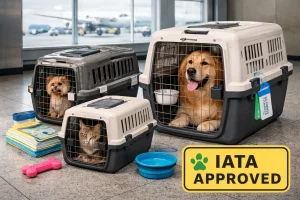
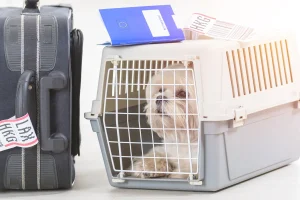
Bahrain entry guidance often states pets must arrive via Bahrain International Airport and commonly as air cargo, with an IATA-compliant crate.
2) Thailand export requirements (what you do before you fly)
On the Thailand side, you’ll deal with airport animal quarantine / livestock authorities and airline handling.
Export permit + health check close to departure
Airports of Thailand guidance says:
- you submit the pet transportation form (Form R.1/1),
- the pet health check happens not more than 2–3 days before departing, and
- the agency issues an export permit (Form R.9) along with the health certificate.
Thailand’s Department of Livestock Development exportation guidance also notes submitting the application at least 15 days prior to exportation (so don’t leave it to the last week).
3) Documents checklist (Thailand → Bahrain)
Use this as your “print and tick” list. Also, keep digital scans in your phone.
Core documents
- Microchip certificate + microchip number on every record
- Rabies vaccination certificate (plus other core vaccines as advised)
- Rabies titer (FAVN/FADL) lab result (when required)
- Bahrain import permit / license confirmation
- Thailand export permit (Form R.9)
- International/export health certificate issued near departure
- Flight booking / air waybill (your agent or airline provides this for cargo)
Helpful extras (avoid delays)
- Pet photo + owner passport copy (often requested during permit steps)
- A simple “fit-to-fly” note from your vet
- Parasite treatment record (many countries expect it even if not always checked)
Related Articles:
» How do I prepare my pet for international relocation?
» Moving a cat from Netherlands to USA: stress reduction + paperwork checklist
» Moving a Dog from the Netherlands to Norway: Crate Rules, Airline Routing, and Arrival Steps
» Pet Shipping from UAE to Spain: Documents, Timeline, and Cost Factors
» Netherlands to USA Pet Relocation Step-by-Step Guide (Dogs & Cats)
4) A realistic timeline (plan backwards)
If you want less stress, plan 8–12 weeks. Some people rush it, yes, but then they spend nights fixing paperwork.
A Bahrain relocation page recommends starting 3–4 months in advance (especially when a titer test is involved).
5) Pet shipping cost factors (what changes the price the most)
You’ll see big price swings because pet shipping isn’t “one flat fee.” Instead, it’s a bundle.
| Cost factor | Why it changes | How to keep it sensible |
| Airline method (manifest cargo vs accompanied) | Bahrain entry is often handled as air cargo and airlines price by weight/space | Compare airlines/route options early |
| Crate size & compliance | Bigger crate = higher chargeable weight; non-compliant crates get rejected | Buy the correct IATA -compliant crate first time |
| Route & stops | More transits = more handling risk + possible extra fees | Choose fewer connections when possible |
| Veterinary + lab work | Vaccines + titer tests add up | Bundle vet visits; don’t redo paperwork due to spelling errors |
| Permits & document endorsements | Government stamping/endorsement can cost | Keep documents consistent to avoid re-issuance |
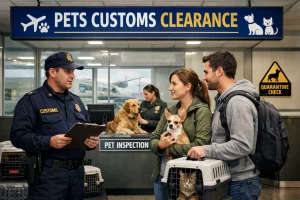
| Agent handling (optional) | Agents manage cargo booking + clearance | Use agent if you’re tight on time or nervous about customs |
Crate and welfare note (important, honestly)
IATA crate rules focus on ventilation, secure construction, correct sizing, and safe labeling. Also, IATA guidance warns that sedation/tranquillization is generally not recommended, because it can be risky at altitude.
6) Day-of-travel tips that actually help
- Feed a light meal earlier (not right before check-in), and keep water available.
- Attach a clear pouch to the crate with document copies.
- Label the crate with your name, Bahrain contact number, and “LIVE ANIMAL.”
- Add an unwashed t-shirt in the crate (smell = comfort). Sounds silly, works.
- Take photos of the crate from all sides before handover—just in case.
FAQs : Thailand → Bahrain pet shipping
Often yes for pets from non–rabies-free countries; Bahrain-related guidance highlights FAVN/FADL as required in many cases.
Many pet parents start 8–12 weeks ahead; some guidance recommends 3–4 months to stay safe.
Yes, an import permit/license is commonly required, and Bahrain provides an eService for individuals to request one.
Often pets enter Bahrain as air cargo depending on airline + destination handling, so plan for cargo unless your airline confirms otherwise.
Guidance commonly points to Bahrain International Airport (Muharraq) for live animal arrivals.
Thailand airport guidance says the pet health check should be 2–3 days before departure, and then the export permit (R.9) and health certificate get issued.
Thailand export guidance suggests submitting the export application at least 15 days prior.
A 15-digit ISO microchip is commonly required for Bahrain entry.
Airlines can refuse check-in. IATA container requirements detail construction, ventilation and labeling expectations.
Usually no—industry guidance says sedation is not recommended except under veterinary direction and specific conditions.
Crate size, chargeable weight, routing/transits, lab tests (titer), permits, and whether you hire a pet shipping agent.
Mismatch in microchip number or names across documents, plus missing permit/endorsement—small errors, big headache.