Moving a pet across the Tasman sounds “close”, but New Zealand biosecurity still runs the show. The good news is: Australia is a Category 1 country for NZ pet imports, so in most cases your dog or cat won’t need an import permit and also won’t need quarantine (unless something is off at arrival, like illness).
Still, you’ll need to plan the timeline properly because there are hard deadlines—especially for MPI notification, pre-travel checks, and airline cargo cut-offs.
Quick answer: how long does it take?
For most families, a realistic Australia to New Zealand pet relocation timeline is 3 to 6 weeks from “we decided” to “pet cleared in NZ”. If you already have a travel crate, a regular vet, and flexible flight choices, it can move faster. However, if you’re waiting for appointments, crate sizing, or a busy travel season, it stretches.
Australia → NZ pet relocation timeline at a glance (table)
|
When to start |
What you do |
Why it matters |
|
4–6 weeks before |
Choose route (Auckland/Christchurch), check eligibility, book transporter/air cargo, order IATA pet crate |
Flights + crate sizing can cause delays |
|
3–4 weeks before |
Vet check, update microchip details, gather ownership proof + vaccination history |
Paperwork errors create last-minute panic |
|
21+ days before |
Keep your pet away from animals showing respiratory illness; monitor health |
This supports the canine influenza declaration requirement in the MPI process |
|
5 working days before arrival |
Submit MPI veterinary inspection application (for pets arriving from Australia) |
Mandatory timing for clearance booking |
|
Within 72 hours of departure |
Final health/welfare exam (common export requirement in practice) |
Airlines + export steps often depend on a “fit to fly” exam |
|
Travel day |
Fly as manifested cargo (most common), crate prepared, documents attached |
Air Waybill + documents need to match |
|
Arrival day (NZ) |
MPI post-arrival inspection / biosecurity clearance at airport |
Australia pets usually clear at Auckland or Christchurch |
Step 1: Confirm your pet is eligible (do this first)
Before you spend money on flights, do a fast eligibility check:
- Dogs: NZ bans certain breeds/types (and “mostly” counts too). This includes American Pit Bull Terrier type and a few others listed by NZ authorities.
- Hybrids: NZ doesn’t allow hybrids (with a narrow exception like Bengal cats with proof).
- Pregnancy rule: cats/dogs must not be more than 42 days pregnant at shipment time.
Also, decide your arrival airport early. MPI notes pets (including Australian cats/dogs) clear or transfer via Auckland or Christchurch.
Step 2: Build your paperwork file (don’t “hunt” documents at the end)
This part feels boring, yet it saves you. Make one folder (digital + printed):
- Veterinary certificates (your vet’s records + any required model certs if used)
- Proof of ownership (purchase record if available, or supporting evidence)
- Air Waybill (provided by transporter/air cargo)
- NZ Customs forms like NZCS 231 (and related arrival paperwork)
- For dogs, NZ mentions an Exempting Statutory Declaration as a document you may need in the process
Tip: Use consistent spelling of your name, your pet’s name, microchip number and dates.Even small mismatches can trigger delays.
Step 3: Crate + flight booking (most common delay point)
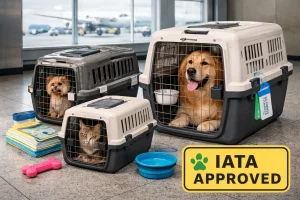
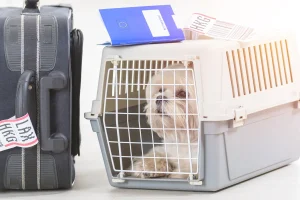
Choose an IATA pet crate
Airlines and exporters typically require an IATA-compliant travel crate. Australia’s export guidance also points to using containers that meet IATA standards.
Practical crate timeline:
- Order early if your pet is between sizes.
- Start crate training right away (short sessions, treats, door open first).
- Add a worn T-shirt (your smell helps, weird but true).
Book flights with the right rules
Many pets travel as manifested cargo, not as cabin baggage. That means cargo office schedules, cut-off times, and document checks matter as much as your plane ticket.
Step 4: The 21-day “respiratory illness” window (yes, it’s real)
MPI includes a measure tied to infectious respiratory disease (often discussed under the canine influenza clause). It states that for at least 21 days before shipment, the animal should not be kept where cats/dogs show clinical respiratory disease, and your pet should show no signs either.
So, keep it simple:
- Skip dog parks and grooming salons close to departure.
- Avoid boarding kennels in the final weeks if you can.
- If your pet coughs or sneezes, call the vet early (don’t “wait and see” till the night before).
Step 5: Notify MPI in time (Australia arrivals have a clear deadline)
This step is big and people miss it.
MPI says cats and dogs from Australia must be notified at least 5 working days before the scheduled arrival time using the MPI veterinary inspection application and emailing it to the listed address.
That means weekends don’t count, so plan backwards. If your flight lands on a Monday, you can’t email it on the previous Thursday and hope for luck.
Step 6: Final vet checks (the “fit to fly” phase)
Even when NZ doesn’t require quarantine for most Australia pets, airlines and the export process still expect a final health check close to departure.
Australia’s export guidance describes arranging a final health and welfare examination within 72 hours of departure (or whatever window the importing country sets).
Use this appointment to:
- confirm microchip scans correctly
- check ears/skin (fleas/ticks drama can stop travel)
- discuss motion sickness or anxiety support (only vet approved)
Related Articles:
» Netherlands to USA Pet Relocation Step-by-Step Guide (Dogs & Cats)
» How do I prepare my pet for international relocation
» Moving a Cat from USA to Kuwait: Stress Reduction + Paperwork Checklist
» Pet Shipping from UAE to Spain: Documents, Timeline, and Cost Factors
» Moving a Dog from the Netherlands to Norway: Crate Rules, Airline Routing, and Arrival Steps
Arrival in New Zealand: what happens at the airport?
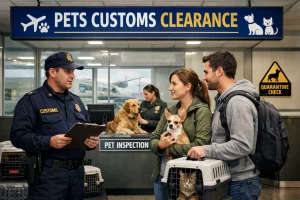
On arrival, your pet typically goes through MPI biosecurity clearance / post-arrival inspection. NZ’s government guidance notes that pets from Australia usually don’t need quarantine, but they do need a post arrival inspection and MPI can still direct quarantine if an animal is unwell.
What you can do to make it smoother:
- Attach a document pouch to the crate (copies inside).
- Put a clear label: pet name, microchip number, your NZ contact number.
- Keep your phone on—cargo staff sometimes call for quick clarifications.
Cost factors (not exact prices, but what actually drives the bill)
|
Cost item |
What changes the price |
|
Air cargo / pet flight |
route, airline, crate size/weight, season |
|
IATA crate |
size, brand, custom build |
|
Vet checks + treatments |
clinic pricing, extra visits if issues pop up |
|
Transporter fee (optional) |
door pickup, airport handling, document prep |
|
MPI inspection / handling |
Common timeline mistakes (learn from other people’s stress)
- Booking your own flight first, then discovering the airline can’t take pets that day.
- Doing crate training too late (pet panics inside, not fun).
- Forgetting the 5 working day MPI notification rule.
- Letting your dog mix with coughing dogs in the final 2–3 weeks.
FAQs : Australia to New Zealand pet relocation timeline
Usually 3–6 weeks end-to-end, depending on flights, crate, and vet appointment timing.
Similar timeline—often 3–6 weeks, mainly driven by flight + cargo availability
Most of the time, no. NZ says Australia pets usually don’t need quarantine, but MPI may require it if the pet is unwell.
NZ guidance says you usually do not need a permit for cats or dogs from Australia, but post-arrival inspection applies.
For cats/dogs from Australia: at least 5 working days before scheduled arrival using the MPI inspection application.
MPI notes clearance/transfer happens via Auckland or Christchurch for these imports.
In practice, yes—microchip ID is central to matching the pet to its documents (and most pet travel systems rely on it).
MPI includes a measure requiring that for at least 21 days before shipment the pet wasn’t kept where animals showed respiratory illness signs, and your pet showed none.
Yes. NZ lists prohibited breeds/types (including Pit Bull Terrier type and others).
There are restrictions—MPI notes the animal must not be more than 42 days pregnant on shipment date.
Not always, but MPI recommends considering a professional exporter because airlines and timing requirements can get strict.
Commonly: ownership proof, veterinary certificates, Air Waybill, and NZ arrival forms (NZ guidance lists several examples).