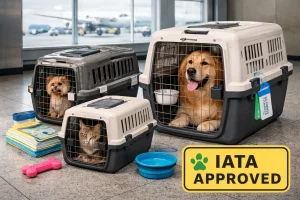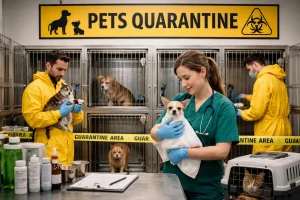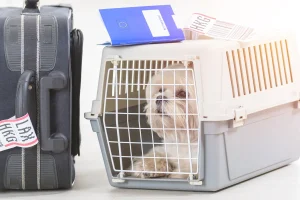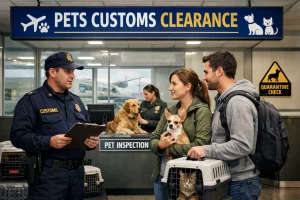
The process of transporting a cat overseas can seem like an effort and a half — because it is. Yet plan early and keep the steps straightforward, and transporting a cat from Qatar to India can go smoothly with minimal stress for your cat (and for you).
This guide covers two big things pet parents search for most: how to reduce travel stress and the paperwork checklist you’ll need for India entry.
1) First, Choose Your Import Route (This Changes the Paperwork)
India typically allows pet cats to enter via:
- Pet under baggage / transfer of residence (TR) conditions (common for residents moving back)
- Import authorisation route (DGFT authorisation + AQCS clearance)
AQCS mentions requirements tied to continuous stay abroad for at least two years for pets under the baggage rule, and Customs pages also mention similar TR conditions for pet import as baggage.
DGFT has guidance and a trade notice around pet import authorisation and designated entry points.
Practical tip: If you’re unsure which bucket you fall into, ask your arrival airport’s AQCS office what they expect for your case. (It saves painful last-minute surprises.)
2) Stress Reduction Starts Weeks Before the Flight (Not on Travel Day)
Cats don’t “cope later.” They cope now. So start early:
Carrier training (most important)
- Keep the carrier open at home daily.
- Feed treats inside it.
- Add your worn t-shirt (your smell = comfort).
- Do short “practice rides” in the car.
This improves cat travel anxiety massively, and you’ll notice it.
Choose the right flight strategy
- Fewer connections = less handling = less stress.
- Avoid extreme heat hours (midday summer travel is rough for pets).
- If your cat is especially anxious, consult with a doctor — most (if not all) doctors do not recommend heavy sedation for flights, as it could be dangerous at high altitude.
Routine matters (even while packing)
Keep feeding times and play sessions steady. Also, increase interactive play (wand toys) in the evenings—tired cats settle easier.
3) Paperwork Checklist for Moving a Cat from Qatar to India
India entry typically requires pre-clearance / NOC from AQCS for pet travel , and airline guidance also points you to AQCS documentation for India.
DGFT guidance notes the sequence of DGFT import authorisation (where applicable) followed by advance NOC from AQCS.
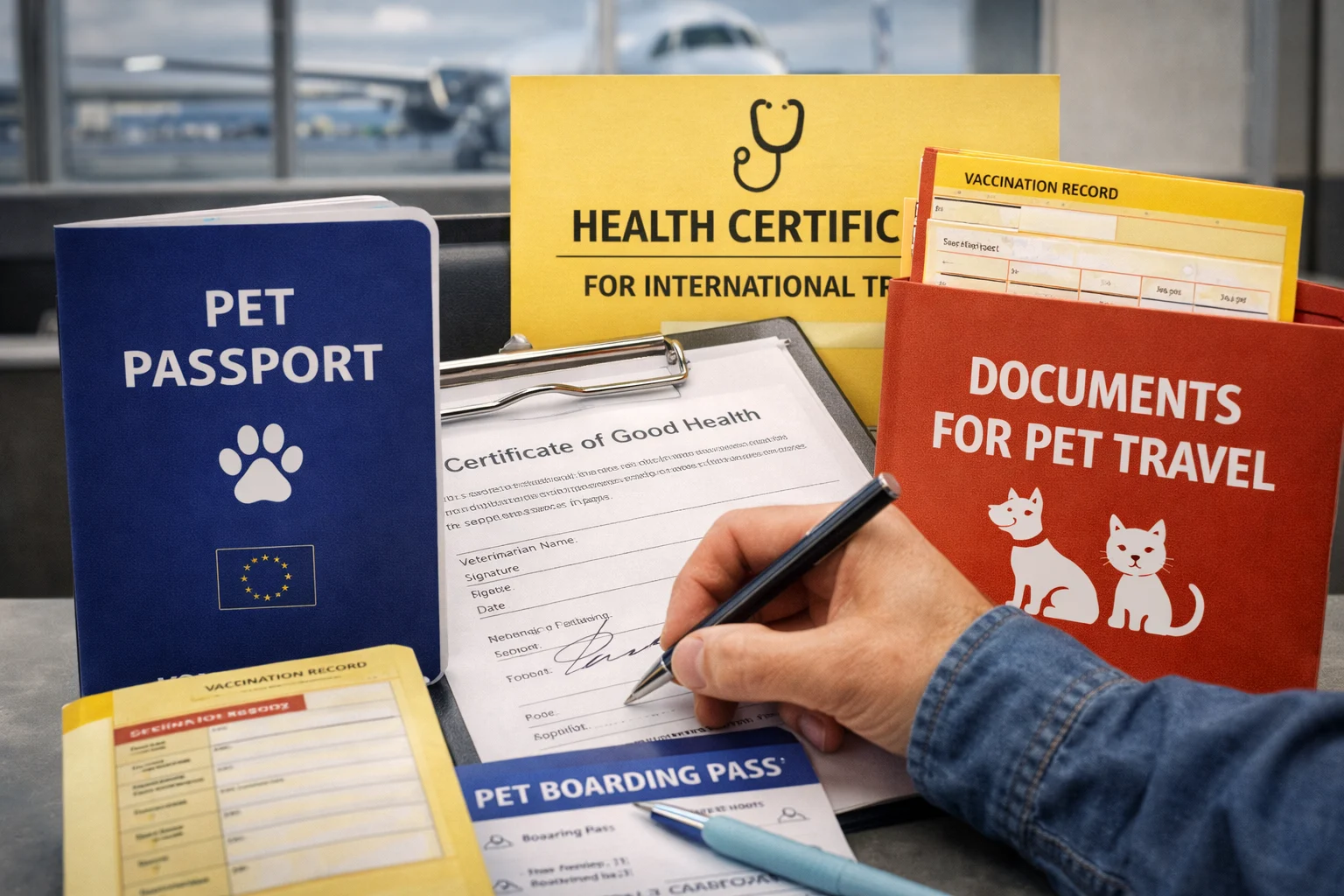
Your “must-have” documents (core set)
Here’s the most common bundle:
- Microchip details (chip number + proof)
- Rabies vaccination proof
- Core cat vaccines (often FVRCP/“cat combo”)
- Veterinary Health Certificate (fit-to-fly)
- AQCS NOC / pre-import clearance
- Passport/ID + travel documents (and TR evidence if using baggage/TR route)
- Flight booking + airline pet acceptance confirmation
Airlines may also require a health certificate issued close to travel, and Qatar Airways notes a vet fitness/health certificate timeframe (commonly within days of travel).
4) Ideal Timeline (So You Don’t Panic at the End)
|
When |
What to do |
Why it matters |
|
6–8 weeks before |
Decide route (TR/baggage vs DGFT authorisation). Shortlist entry airport. |
Determines documentation path. |
|
4–6 weeks before |
Microchip check + vaccination review (rabies date, booster schedule). |
Vaccines need time to “count” before travel. |
|
3–4 weeks before |
Begin carrier training + book pet-friendly flight plan. |
Reduces stress and handling. |
|
2–3 weeks before |
Start AQCS NOC process (and DGFT step if applicable). |
Pre-clearance is repeatedly referenced for India entry. |
|
7–10 days before |
Vet visit + health certificate + parasite control as advised. |
Airlines often require fresh fitness certification. |
|
24–48 hrs before |
Confirm airline pet approval, crate labeling, absorbent bedding, food plan. |
Prevents airport-day rejection. |
5) AQCS NOC: What It Is and Why It’s Non-Negotiable
Many airlines and official guidance emphasize AQCS clearance/NOC for importing pets into India.
DGFT’s FAQ-style guidance also describes getting Advance NOC from AQCS after authorisation (where required).
Pro tip: Apply early and keep printed copies. Airports are not the place for “I have it on my phone somewhere.”
Related Articles:
» Moving a cat from Netherlands to USA
» Moving a dog from New Zealand to Singapore: crate rules, airline routing, and arrival steps
» Pet shipping from South Korea to France: documents + timeline + cost factors
» Sweden to Australia pet relocation rules update (dogs \& cats)
» Australia to New Zealand pet relocation timeline (dogs \& cats)
6) Selecting the Arrival Airport (Very Important)
DGFT’s trade notice indicates that pet imports are allowed only through specific airports/seaports (designated points).
Airline pages also list specific airports/points for pet import/export handling (these lists can update, so confirm).
Simple rule: Pick a major entry airport with AQCS facilities and a known pet-clearance process.
7) Flight Day: Keep It Calm, Keep It Familiar
Before leaving home
- Feed a light meal (not a heavy one).
- Offer water.
- Place familiar bedding in the carrier.
- Use a calming pheromone spray if your vet agrees.
At the airport
- Arrive early. Pet check-in is slower than normal check-in.
- Keep your voice low and movements slow.
- Don’t keep opening the carrier “to reassure” your cat—this often increases panic.
Cabin vs cargo
Airline regulations differ by airline, as well as by route and by cat weight/size. Air India, for its part, states that it permits cats and dogs to travel on its flights with accompanying pet-travel guidance — but remember actual cabin/cargo terms can vary according to policy and itinerary.
8) Arrival in India: What Happens Next
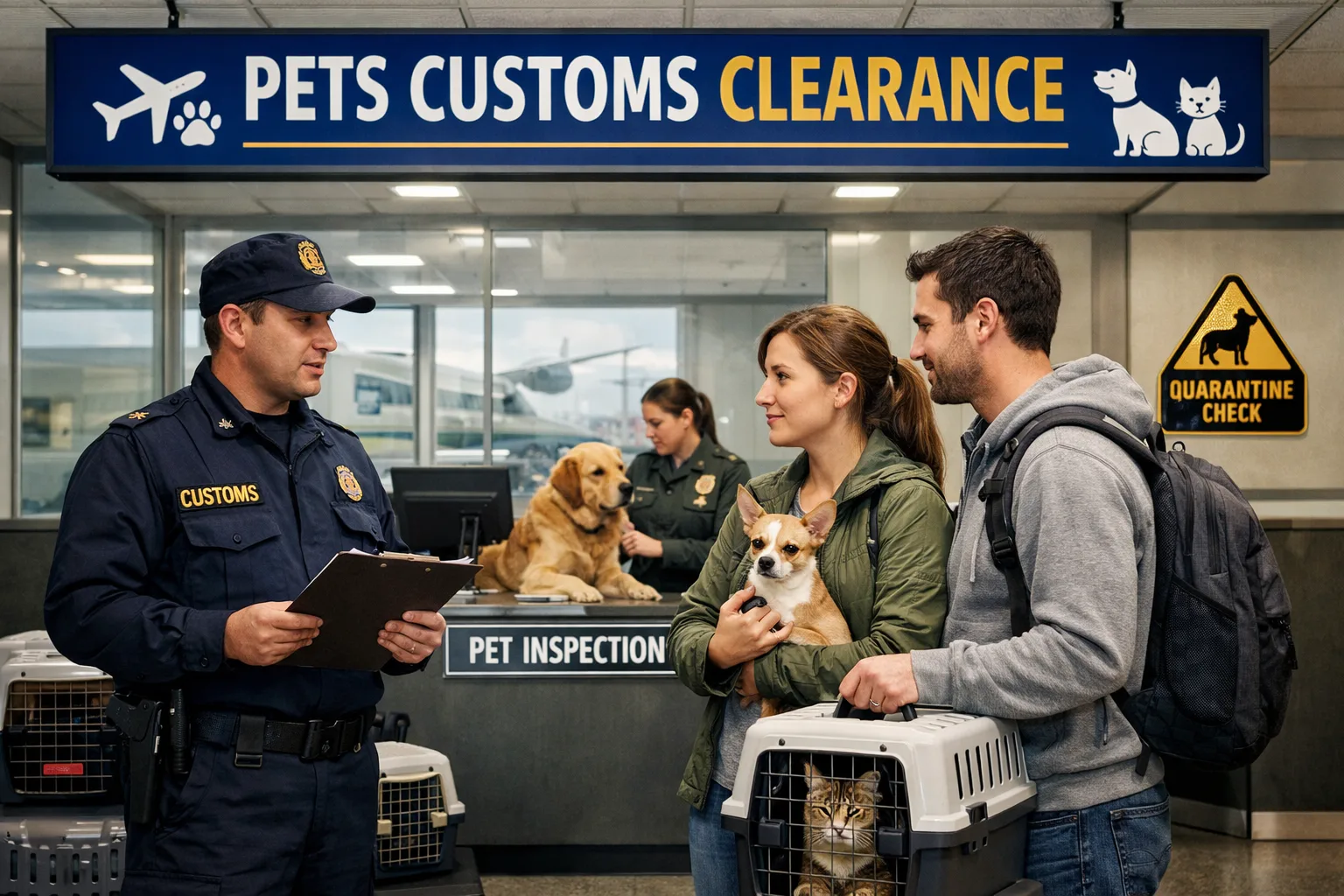
On arrival, your cat is typically presented for:
- Document check
- Physical inspection by the quarantine officer (AQCS)
- Clearance/NOC finalisation (process can vary by airport and case)
Some official SOP-style documents indicate cats may be tested for certain diseases if symptoms appear during quarantine/inspection—so keeping your cat healthy and calm is not just “nice,” it’s practical.
9) A Practical “Paperwork Folder” Setup (So Nothing Gets Lost)
Make two printed sets + one digital set:
- Set 1: Hand to officials if asked
- Set 2: Backup (keep in your bag)
- Digital: Cloud + phone offline folder
Label everything clearly: “CAT—RABIES,” “CAT—MICROCHIP,” “AQCS NOC,” etc.
10) Common Mistakes (That Cause Delays)
- Rabies vaccine date doesn’t meet timing expectations
- Health certificate issued too early (airline rejects it)
- Confusion between TR/baggage route vs DGFT authorisation route
- Booking a tiny connection window (pet processing is slow)
- Assuming “one WhatsApp message from the airline” equals pet approval (get proper confirmation)
FAQs: Qatar to India Cat Relocation
Usually microchip proof, rabies certificate, vaccination history, health certificate and AQCS NOC/pre-clearance (plus DGFT approval if applicable to you).
It’s widely referenced in official/airline guidance for importing pets into India.
Possible in certain cases, commonly linked to “transfer of residence” conditions (often tied to continuous stay abroad). Confirm with AQCS and your arrival airport customs.
Some cases do. DGFT provides pet import guidance and a trade notice describing authorisation and designated entry points.
Only designated entry points. Verify the latest list with DGFT/AQCS and your airline.
It’s frequently needed near departure; Qatar Airways cites a vet fitness/health certificate time frame. Check always with your airline for your specific route.
Carrier training, scented familiar items/methods, less handling/connections in general, calm control of how it is handled and a vet’s backing on the calming plan.
Don’t do it without veterinary guidance. Many vets avoid heavy sedatives for flights due to safety concerns; ask for safer alternatives.
It will depend on the particular airline as well as its size/weight requirements. Look up your airline’s pet policy and print out written confirmation.
The protocols differ by case and airport, cats can be examined, tested if showing signs, according to SOP-like guidance.
Rabies is the big one, and core vaccines are generally required. Check with AQCS for exact requirements for your route.
At least 6–8 weeks is sensible, especially if your case needs DGFT authorisation + AQCS steps.