If you’re planning pet shipping from India to Australia, you’ve probably already heard one hard truth: Australia runs one of the strictest pet import systems in the world. And truthfully, that’s good for their biosecurity — but it means you need a clean plan, the right documents and a realistic timeline.
This guide explains it all simply in Australian English: what paperwork you’ll need, how long the process typically takes and what really fuels the cost factors (so you can budget without nasty shocks).
Can You Ship a Pet Directly from India to Australia?
In most cases, India is not on Australia’s approved country list for direct dog/cat imports, which means pets generally need to travel via an approved “mid-country” and complete the required preparation steps there. Australia’s Department of Agriculture, Fisheries and Forestry (DAFF) provides a step-by-step import pathway and also establishes what countries belong in which groups; it also indicates ones that are not approved for cat and dog imports.
So the usual pathway looks like this:
India → Approved mid-country (Group 2/3) → Australia (with import permit + quarantine booking)
A good pet shipper will help you pick the right mid-country based on flight routes, vet access, lab access for rabies testing, and how smoothly paperwork gets endorsed.
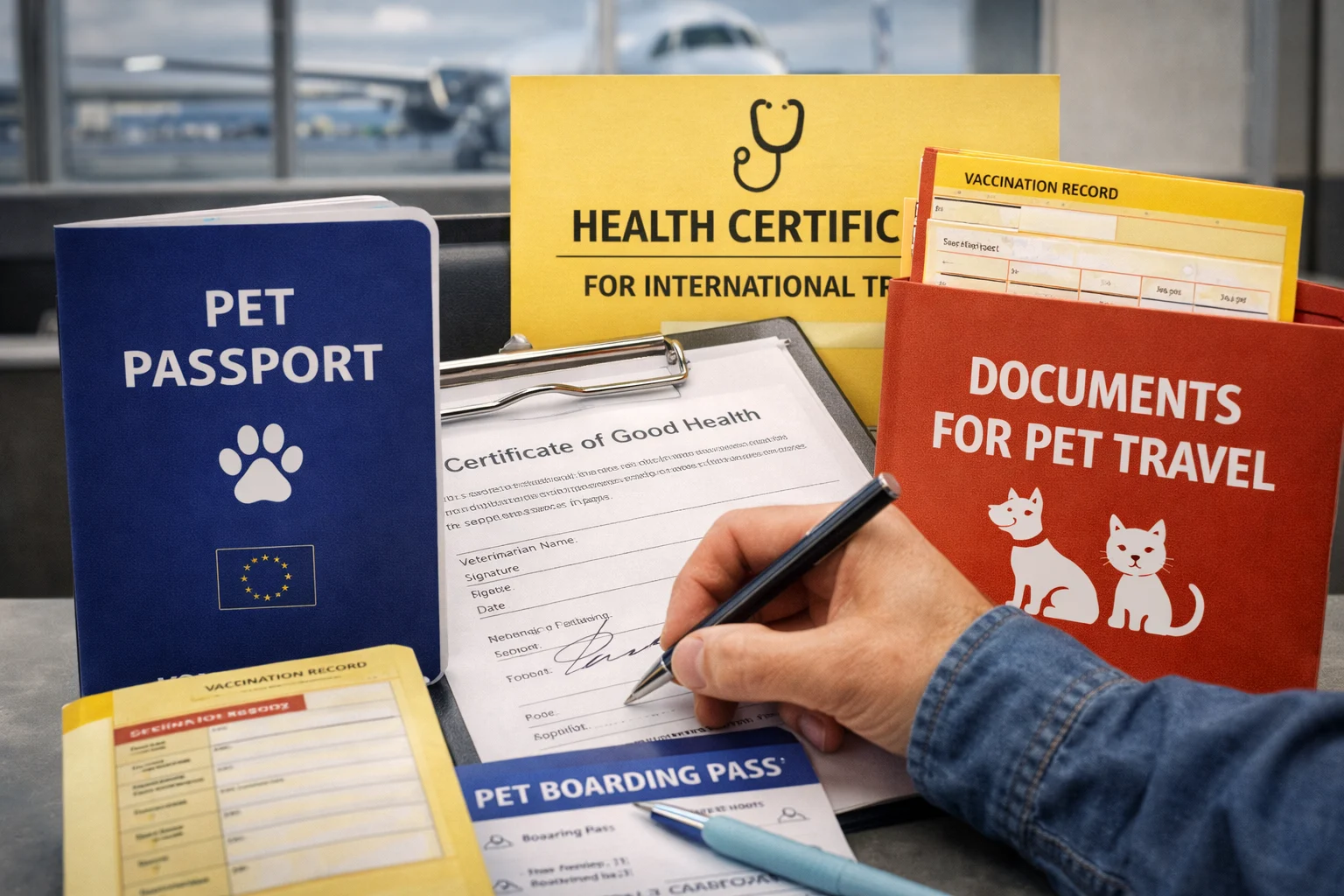
The Must-Have Documents for Pet Shipping to Australia
Australia’s process revolves around identity, rabies risk management, and verified vet compliance. The exact documents can vary by pet type and country group, but these are the common “core pack”.
1) Identity and ownership
- Microchip certificate (ISO compliant microchip; microchip number must match everywhere)
- Owner ID proof (passport copy) and contact details
- Clear pet photos (sometimes requested by agents for verification)
DAFF is strict about correct identification; your pet must be identifiable by the microchip on supporting documents submitted for import.
2) Rabies paperwork (this is the big one)
- Rabies vaccination certificate
- RNATT / Rabies Neutralising Antibody Titre Test report
- RNATT declaration / endorsed rabies documents where required for the permit stage (depends on where the sample is taken and who endorses it)
Australia requires timing rules around rabies vaccination and the RNATT. For a primary rabies course, you generally wait 3–4 weeks after vaccination before drawing blood for the RNATT.
3) Import permit + quarantine booking proof
- Australian import permit (applied through the official process; you’ll upload supporting documents)
- Quarantine reservation/booking details (your agent usually handles this as part of scheduling)
DAFF notes you should allow at least 6 months to complete steps, and fees apply for permit assessment and quarantine.
4) Vet certificates and treatments (final travel window)
- Government/official vet endorsements (where required)
- Parasite treatments and health check documents (your shipper will align this to the correct “within X days of export” rules based on your permit conditions)
Timeline: How Long Does Pet Shipping from India to Australia Take?
Let’s keep this real. Six months is the minimum planning mindset, and many cases take longer because of mid-country stays, lab timing, flight availability, and quarantine space. DAFF itself recommends allowing at least 6 months for the import process.
The 180-day waiting rule (critical)
Your pet cannot be exported to Australia for at least 180 days after the RNATT sample arrives at the laboratory. DAFF calls this mandatory with no exceptions.
That single rule drives most timelines, so build your plan around it.
Related Articles:
» Pet shipping from Thailand to Bahrain: documents, timeline & cost factors
» Australia to New Zealand pet relocation timeline (dogs & cats)
» Moving a dog from New Zealand to Singapore: crate rules, airline routing, and arrival steps
» Pet Shipping from South Korea to UK: Documents, Timeline & Cost Factors
» Pet shipping from South Korea to France: documents + timeline + cost factors
A practical step-by-step timeline (example)
Here’s a simple view (your agent will customise dates):
|
Step |
What happens |
Typical time |
|
Step 1 |
Microchip + baseline health check |
1–7 days |
|
Step 2 |
Rabies vaccination (as required) |
1 day |
|
Step 3 |
Wait before RNATT blood draw |
~3–4 weeks |
|
Step 4 |
RNATT blood draw + lab submission |
1–7 days |
|
Step 5 |
180-day wait from lab receipt of RNATT sample |
180 days |
|
Step 6 |
Apply for import permit + prepare supporting docs |
Often during the 180-day period |
|
Step 7 |
Book flights + quarantine slot |
2–8+ weeks (varies) |
|
Step 8 |
Final vet exam + treatments + travel paperwork |
Last 5–14 days (varies) |
|
Step 9 |
Arrive Australia → post-entry quarantine (Mickleham, VIC) |
Minimum stay applies |
Australia’s cat/dog quarantine happens at the Post-Entry Quarantine Facility in Mickleham (near Melbourne).
Cost Factors: What Makes Pet Shipping Expensive (or Cheaper)?
There isn’t one flat “India to Australia pet shipping price”, because your route and compliance steps shape the total. Below are the main cost factors that move the quote up or down.
1) Mid-country routing (often the biggest swing)
Because direct import usually isn’t available from India, many pets must transit through an approved country. That can add:
- extra flights or cargo legs
- temporary boarding/kennel costs
- extra vet appointments
- extra paperwork endorsements
2) Rabies testing and compliance steps
The RNATT process needs correct timing and approved handling, and it locks in that 180-day wait.
If anything goes wrong (wrong microchip number on lab form, vaccine not valid, missed window), you may repeat steps — and cost goes up fast.
3) Quarantine fees in Australia
DAFF publishes quarantine facility fees. For example, the daily husbandry fee listed is AUD $53/day, and a 10-day stay would total AUD $530 (fee schedules can change, so always confirm at booking time).
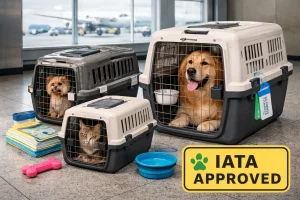
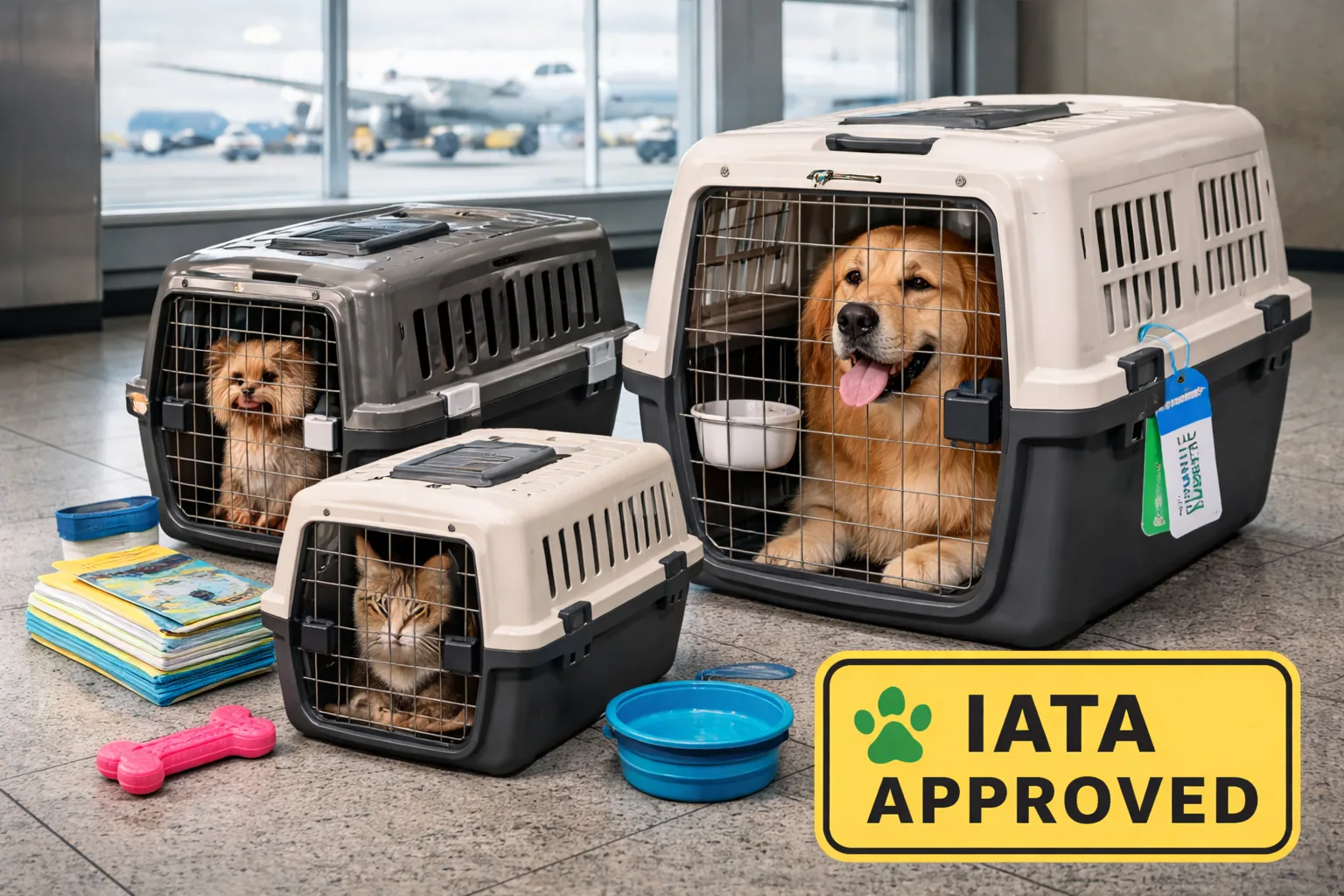
4) Flight method, crate size, and season
Airlines price pet cargo based on:
- crate dimensions (volumetric weight)
- route and carrier availability
- temperature embargo periods and seasonal restrictions
- direct vs multi-stop itineraries
Bigger dog = bigger crate = higher airfreight, simple as that.
5) Pet transport service level
A bare-minimum “airport to airport” move costs less than door-to-door pet relocation, which may include:
- home pickup and vet visit coordination
- documentation handling and endorsements
- crate supply + training guidance
- boarding during mid-country steps
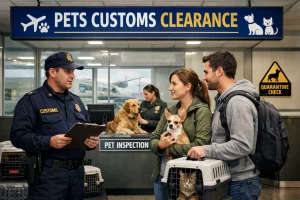
- Customs and clearance support
6) Health needs and breed considerations
Snub-nosed breeds, anxious travellers, older pets, or pets needing extra monitoring may require:
- specific routing
- upgraded crate setup
- additional vet clearance
That can add cost, but it also reduces risk (and nobody wants a failed uplift).
How to Keep the Process Smooth (and avoid the usual mess)
A few practical tips that save time and money:
- Match the microchip number everywhere. One digit wrong can wreck the permit file.
- Start early. Australia literally tells you to allow at least 6 months.
- Treat the 180-day RNATT wait as non-negotiable — because it is.
- Keep soft copies of every document (PDF scans), plus printed originals for travel day.
- If you can, choose flights with fewer transfers. Less handling = less stress for your pet.
And yeah—sometimes the best decision is paying for an experienced pet shipper, because a “small” paperwork mistake can cost you months.
FAQs: Pet Shipping from India to Australia
Not typically. The Australian import process only accepts produce from approved countries, and India isn’t normally on that list — so most transfers go through an approved mid-country.
At least 6 months planning ahead. Australia advises to leave at least six months, while the RNATT waiting time is itself 180 days.
RNATT (rabies neutralising antibody titre test) — confirms that your pet has sufficient rabies protection following vaccination.
Typically 3–4 weeks post vaccination for a primary course.
DAFF states signs of rabies can develop within 180 days, and the waiting period is to manage the biosecurity risk.
At the Post-Entry Quarantine Facility in Mickleham, near Melbourne.
Based on permit conditions and compliance, there is a minimum stay. (Most pets spend at least a nominal amount of time, if everything is done right)
DAFF would list a daily husbandry fee (e.g. AUD $53/day) and display something like 10 days = AUD $530.
Expected identity proof for the pet and supporting documents (identity docs linked to microchip, rabies vaccination certificates, RNATT proof) per your pathway are typically required.
Mid-country routing, crate size (volumetric weight), flight routing, vet tests, permit fees, and quarantine costs.
Most pets arrive in Australia subject to strict import and quarantine arrangements, while airlines have their own policies. Your shipper will recommend realistic options for your route.
Starting too late, and paperwork errors (especially microchip numbers, timing around rabies/RNATT). There are no exceptions to the 180-day rule.