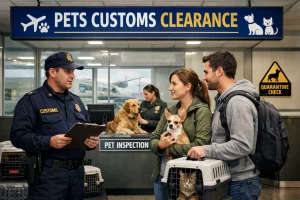
Transplacing your animal across borders is not just about making transport bookings. Paperwork, vet checks, crate planning and, quite frankly, a little bit of worry as well. If you consider moving pets from Singapore to Malaysia, it is good to be aware of the sequence of events before you start. This way, it’s not a confusing process and does feel far more manageable.
For the majority of pet owners, the aim is pretty straightforward: bring their dog or cat to Malaysia safely, legally and with minimal stress. And yes, you can smoothly do this when you get ahead of each component and follow every step!
In simple language, without making it sound technical, this guide goes through the usual process on how to import a dog and cat from Singapore to Malaysia.
Start with the basics first
Before you arrange travel, check that your pet is actually eligible to enter Malaysia. This matters more than people think. Some owners jump straight into transport quotes, then later find out their paperwork is missing something or their dog’s breed needs extra approval.
So first, confirm:
- your pet’s age,
- breed details,
- identification records,
- vaccination status,
- and the import requirements for Malaysia.
This early step saves time. It also saves money, which is nice because pet relocation costs can add up quickly.
Check your pet’s breed and age
For those relocating a dog or cat from Singapore to Malaysia, ensure your pet meets the entry requirements. Cats are usually more straightforward. Dogs, on the other hand, may require additional checking due to some breeds being restricted.
If your dog falls into the restricted urban breed category do not assume it will be final at the last minute. Be sure to check this before booking. A lot of people skip this bit because they feel excited about the move, and later it becomes a whole mess.
Age matters too. Very young puppies and kittens may not qualify for travel if they are below the required age for vaccination and import clearance. So, if your pet is still quite small, sort that out first.
Make sure the microchip details are correct
One of the most important parts of pet relocation from Singapore to Malaysia is proper identification. Your dog or cat should have a working microchip, and the number needs to match every document.
That means the same microchip number should appear on:
- vet records,
- vaccination cards,
- health certificates,
- permit applications,
- and any relocation paperwork.
Even a tiny error can slow down the process. A wrong digit is enough to create delay, and that’s the sort of thing nobody wants on travel day.
If your pet is not already microchipped, you will need to microchip them before proceeding with the remainder of this application.
Get the vaccinations and health records in order
Now comes the vet file. This is not the sexy part, but it really fits here.
Having a complete medical history is essential for dog relocation from Singapore to Malaysia or cat relocation from Singapore to Malaysia. Keep all vaccination documents updated and in one place. Rabies vaccination is especially important if you are planning to travel abroad, while older pets may benefit from other vaccines based on their age and history of illness.
It is also wise to keep copies of:
- deworming records,
- parasite treatment history,
- any previous illness notes,
- current medication details,
- and your pet’s general health reports.
The more organised your records are, the easier the process becomes. It sounds obvious, but so many people end up searching emails and old clinic messages at the last minute.
Apply for the Malaysia import permit
This is a major step and one you should not leave too late.
In normal circumstances, pet owners will have to obtain the necessary import permit ahead of travel to bring their furry friends into Malaysia. Without it, the relocation might not proceed properly.” This step is where many pet owners use a professional relocation company, especially if they want assistance with document review and border coordination.
You can handle this yourself if you are careful and comfortable with admin work. However, if forms and timing are not your thing, working with an experienced pet relocation team can make life easier.
At this point, it helps to prepare:
|
What you need |
Why it matters |
|
Pet identification details |
To match all paperwork correctly |
|
Vaccination records |
To support health compliance |
|
Owner information |
Needed for permit application |
|
Travel plan |
Helps align entry timing |
|
Contact details in Malaysia |
Useful for arrival coordination |
Try not to book final travel until the document path looks clear. That’s one of the smarter ways to avoid stress.
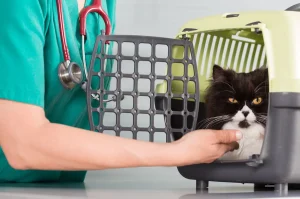
Book the pre-travel vet check
As your moving date draws closer, your pet needs a check-up as it exits. This is where the vet confirms your dog or cat’s health for travel, that he doesn’t show symptoms of an infectious disease.
Do not leave this until the last possible day. Vet clinics can get busy, and if a form needs correction, you need enough time to fix it. A rushed file is where mistakes happen.
During this check, your vet may review:
- general health,
- vaccination status,
- body condition,
- signs of illness,
- and the microchip number.
This appointment is also a good time to ask about feeding before travel, stress support, and crate comfort. Some pets travel calmly. Others… not so much.
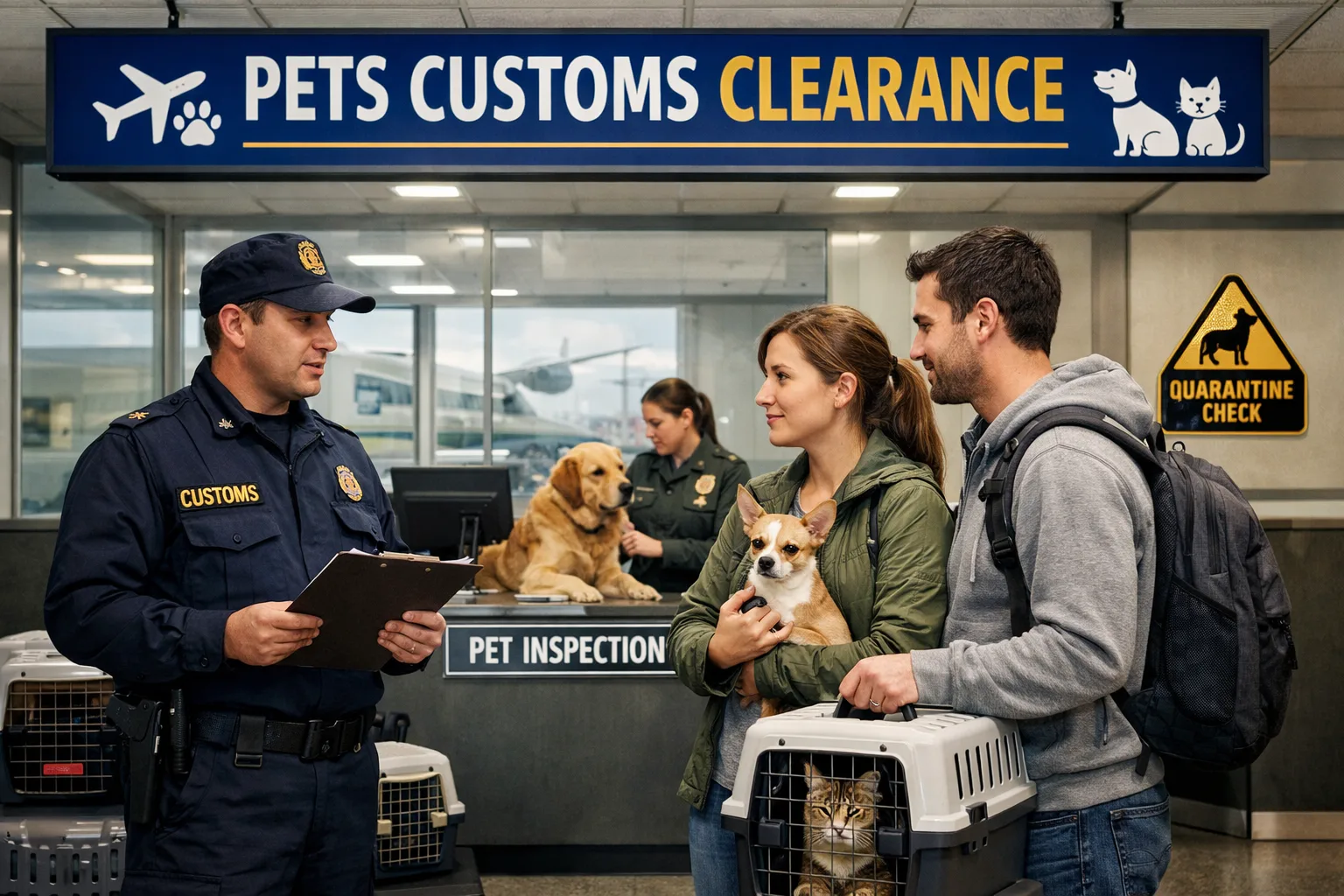
Prepare the owner paperwork
Besides vet documents, owners are often asked to provide declarations or supporting paperwork about the pet’s history and ownership.
This usually includes confirmation that:
- the pet belongs to you,
- it has been living with you in Singapore for the required period,
- and you have no reason to believe the animal has an infectious disease.
Keep these documents clear, signed, and consistent with your other records. Names, dates, and microchip details should all line up. It sounds like a small thing, but consistency across documents makes border processing much smoother.
Related Articles:
» Pet shipping from Qatar to India: Documents + timeline + Cost factors
» Moving a Dog from Philippines to Netherlands: Crate Rules, Airline Routing, and Arrival Steps
» Pet shipping from Switzerland to UK: Documents + Timeline + Cost factors
» Moving a Cat from Qatar to India: Stress Reduction + Paperwork Checklist
» South Africa to India Pet Relocation: Step-by-Step Guide (Dogs & Cats)
Choose the travel method carefully
For Singapore to Malaysia pet transport, owners usually choose between road transfer and air travel.
Road travel is common for this route, especially for shorter transfers into Johor and nearby regions. For many pets, that might be more practical because it’s a short ride and easier to manage. Flying is still the best choice in some cases — especially if your end point is far away (or connected to another international relocation).
Here’s a simple comparison:
|
Travel option |
Best for |
Things to consider |
|
Road transport |
Shorter distance moves |
Border timing, pet comfort, document checks |
|
Air transport |
Longer onward travel or specific arrangements |
Airline rules, check-in time, crate standards |
The right option depends on your pet’s temperament, your destination in Malaysia, and how much support you want during the move.
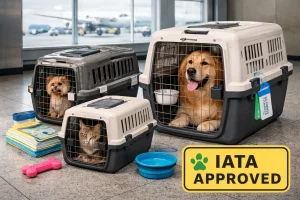
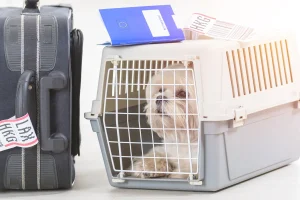
Use a proper travel crate
A good crate is not just a box. It is your pet’s safe space during the journey.
Your dog or cat should be able to:
- stand up properly,
- turn around,
- lie down comfortably,
- and stay secure without feeling cramped.
Start crate training before the move. That part helps a lot. If the crate only appears on travel day, your pet may panic because everything feels unfamiliar at once.
A few simple tips:
- place a familiar blanket inside,
- let your pet spend short periods in the crate before travel,
- avoid sudden changes right before departure,
- and label the crate clearly with your contact details.
It’s a small effort that makes a big difference.
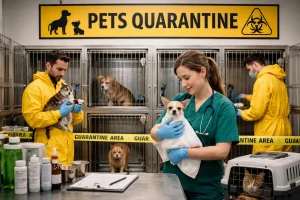
Plan for arrival and possible holding time
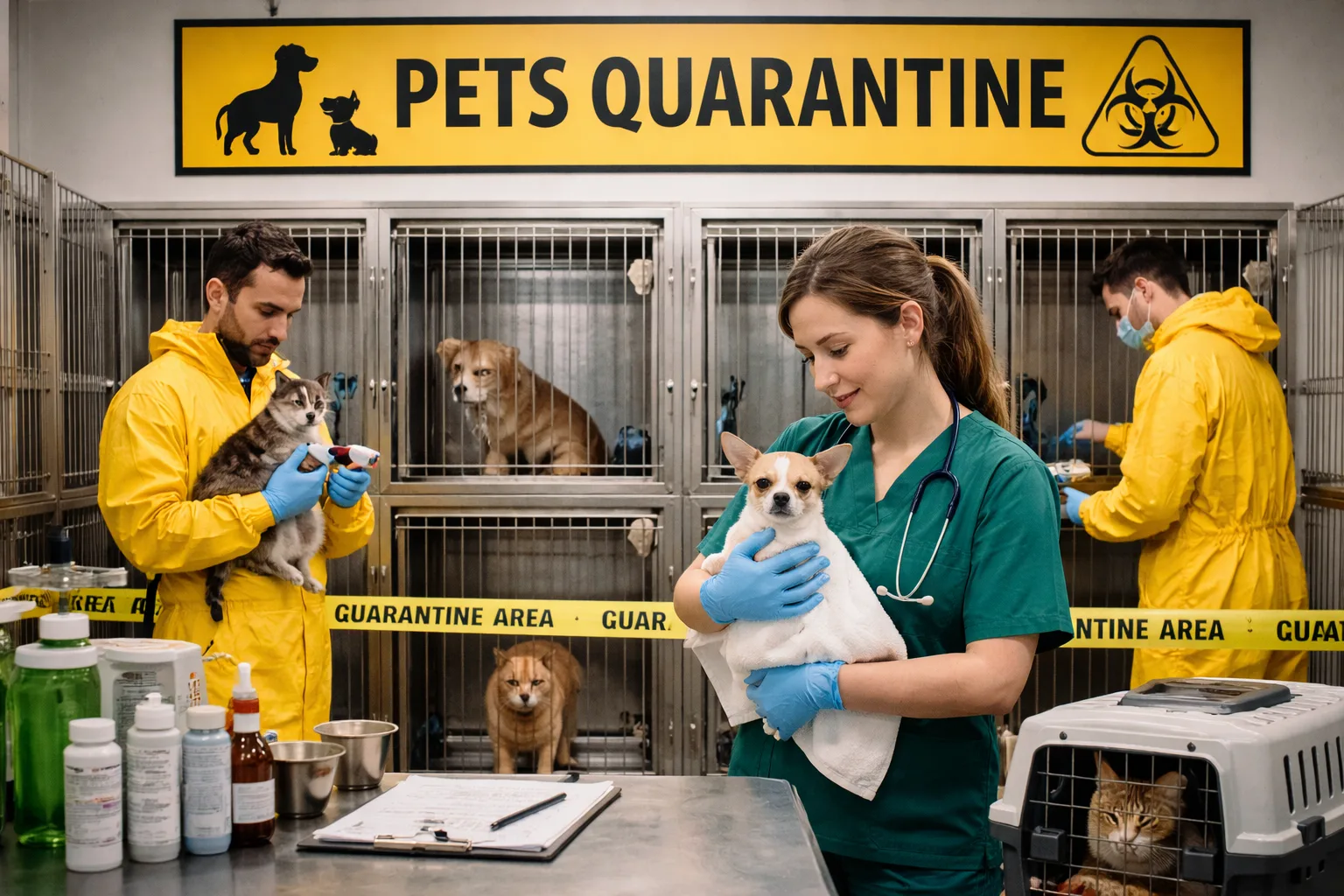
Some owners assume their pet will arrive and go home immediately. Sometimes that happens, and sometimes it doesn’t. Depending on the documentation and inspection process, there may be a holding or quarantine period.
Because of that, it’s smart to plan ahead for:
- collection timing,
- food arrangements,
- medication instructions,
- temporary waiting time,
- and a contact person in Malaysia if needed.
This step often gets ignored during planning. People focus so much on departure that they forget to organise the arrival side properly.
Help your pet settle after the move
How to make sure your pet is ready to live in MalaysiaOnce your pet arrives in Malaysia, allow them to adjust. Even without turbulence, a dog or cat may feel tired, anxious or a little off from a long trip.
Keep the first day calm. And don’t inundate them with visitors, loud environments or beaucoup excitement. This helps: Most animals adapt quite quickly to the new home; they just need to have familiar things around them and some time to return to their regular routine.
A few simple things help:
- use the same food they already know,
- keep meal times regular,
- provide fresh water straight away,
- give them a quiet place to rest,
- and watch for signs of stress.
Some pets bounce back in a few hours. Others need a couple of days. That’s normal.
Common mistakes to avoid
A lot of relocation problems happen because of very fixable mistakes.
1. Leaving paperwork too late
Import permits, vet checks, and travel bookings all need timing. Late preparation creates unnecessary pressure.
2. Using mismatched information
The pet’s name, owner details, and microchip number should match on every document.
3. Skipping crate training
A crate-trained pet usually travels with less stress.
4. Ignoring breed restrictions
Always check dog breed rules before you make firm plans.
5. Forgetting the arrival side
Think beyond departure. You need a plan for what happens once your pet lands in Malaysia too.
Conclusion
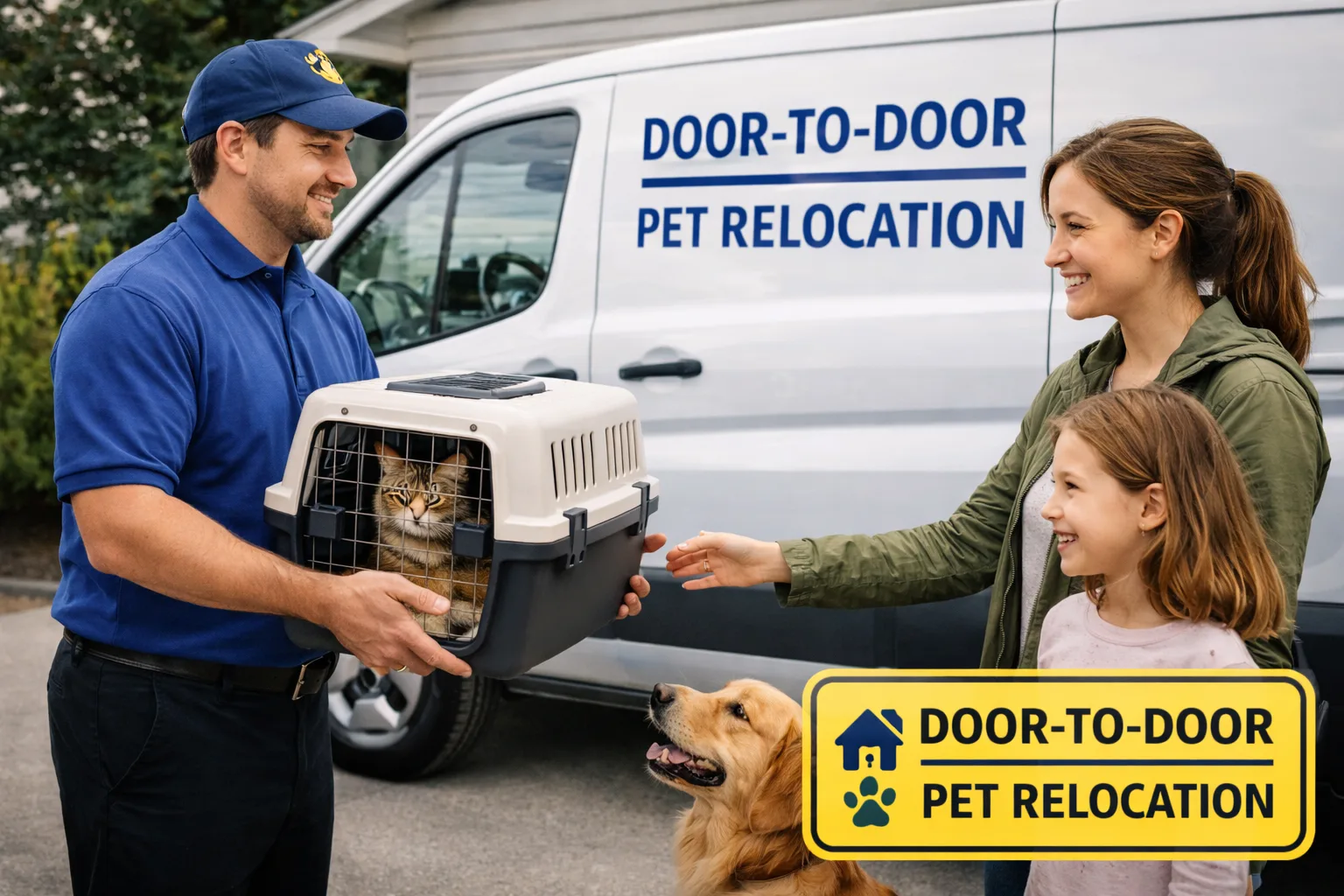
The next destination might be a move from Singapore to Malaysia with your pet and it can seem daunting at first due to the many forms and health checks that need to be done and transport rules that need to be adhered. But when you break it down to steps, it’s much more manageable.
Start early. Get the documents in order. Double-check the microchip number. Book the vet visit on time. Choose the mode of transport that is appropriate for your pet, not just the cheapest. And, most importantly of all, ensure that process is calm and orderly.
At the end of the day, your dog or cat doesn’t comprehend permits or border procedures. All they know is that they are leaving one place and heading with you to the next. And that’s why getting it right matters. Planning a move well will help your pet transition to his new home smoothly and easily.
FAQs : Singapore to Malaysia Pet Relocation
Typical requirements include a microchip, current vaccination history from a vet and health certificate, import approval and proper transport coordination.
In most instances this is done via road transport, especially for shorter distances.
Yes, a microchip is usually going to be a crucial element of international pet identification and must align with all paperwork.
These documents will vary but do include vaccination certificates and health certificates, owner identification and paperwork relating to the import permit and travel details.
Rabies vaccination is one of the first requirements in international pet relocation.
The actual transport may be short, but the full preparation process can take much longer with permits, vet appointments, and document checks.
Yes, many owners use a professional pet shipper to manage permits, paperwork and transport logistics.
Yes, some breeds may face restrictions or require special approval, so always check before booking travel.
Depending on the documentation and entry conditions, quarantine or holding periods may apply.
It varies by the cat’s personality, destination and journey. For many owners, a quiet and orderly road transfer is sufficient.
A light meal is generally preferable to a heavy one, though follow your vet’s advice in regard to your pet’s health and when you’re traveling.
Crate training, familiar bedding, calm handling, regular routines, and proper planning all help reduce stress for pets during relocation.