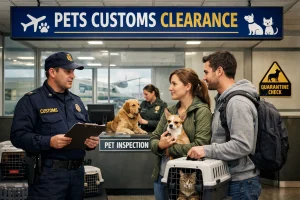
Booking a flight to take an animal around the world is never that simple. A somewhat dispassionate juggling act of timing, Pet travel paperwork, vet checks, airline planning, quarantine booking, and animal comfort. The whole process is very complicated especially when the journey involves moving animals from the USA to New Zealand as this involves onerous biosecurity rules that NZ has to protect its animals, people and environment.
Moving to Auckland, Wellington, Christchurch, Queenstown or Hamilton or anywhere in New Zealand, if you are a family the key is planning early. Export documents, rabies timelines, quarantine slots, airline routing — these terms mean nothing to cats. But they DO know patterns, odor, and relaxed handling, and homey comfort. So, a successful move requires two very well laid plans: A plan for you to help with paperwork compliance and a plan on how to alleviate the stress of your cat during international travel.
As stated above, cats and dogs in transit to New Zealand must meet the import health standards prescribed by New Zealand’s Ministry for Primary Industries (MPI). Cats coming from the US require an import permit, veterinary certification and approved transport arrangements prior to their arrival, along with post-arrival quarantine at an MPI-approved facility. Further verifiable official guidance issued by USDA APHIS and which confirms the requirement that cats making transportation from the USA to New Zealand must have MPI import documentation together with health certificates endorsed through APHIS.
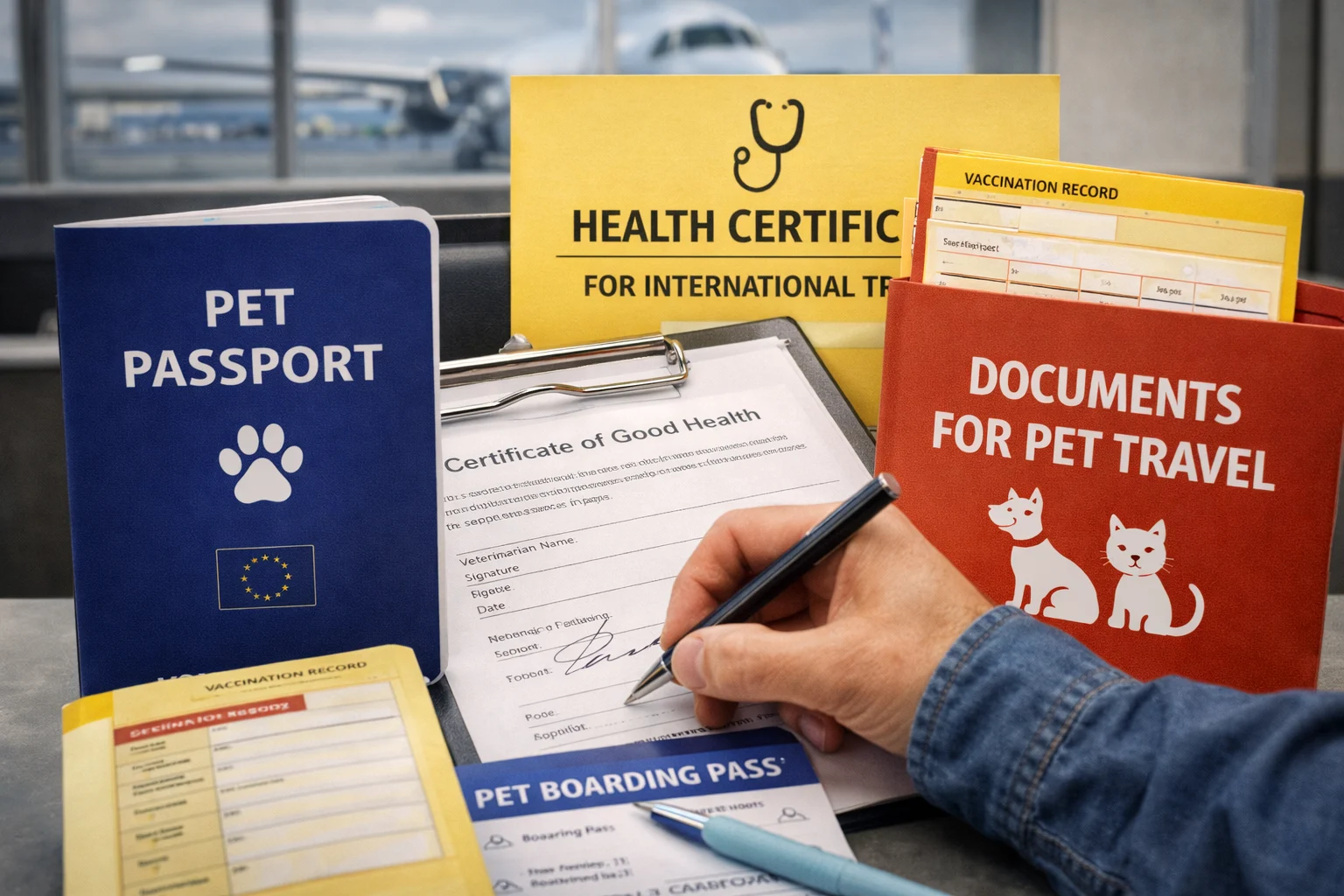
Why Moving a Cat from USA to New Zealand Needs Early Planning
This means that you should not be booking a cat move from the USA to New Zealand at the last minute. Actually, it keeps you from skipped vaccines, wrong entries on documentation, airline limitations and quarantines! New Zealand has controlled entry rules, and as such, each stage must conform to the import standard.
The process usually consists of microchip verification, rabies vaccination details (if any), blood tests (where needed), parasite medication(s) if required, vet exams and sign-off, air petakan approval and bookings for quarantine. In addition, the cat would have to fly with all necessary paperwork — official veterinary certificates and transport documentation. Common documents needed to bring pets into New Zealand are proof of ownership, an import permit, veterinary certificates, an Air Waybill, NZCS 231 (Declaration on Arrival form), and photo ID according to New Zealand Government guidance.
Emotional timing matters too, also because cats are sensitive animals. A sudden transfer may result in hurrying, hiding extra, diminished urge for food or stress grooming, or journey anxiousness. Thus, it is ideal for families to create a moving calendar where they can plan for enough time for the cat to get acclimated before the date of traveling.
Understanding New Zealand Cat Import Rules from the USA
New Zealand accepts only the import of cats and dogs if they are able to meet stringent breeding on arrivals. The animal rules regulate the high biosecurity, disease and pest risk components of a country. Therefore, this USA to New Zealand cat shipping procedure consists of a combination of both United States export & New Zealand import steps.
MPI guidance states that there are rules around when cats and dogs can enter New Zealand, and MPI gives importers step-by-step instructions. Recent MPI advice has also noted that from 1 March 2026, there will no longer be a requirement for crate seals to be affixed on arrival in New Zealand for cats and dogs imported from category 3 countries, and this should be deleted from the relevant wording in Veterinary Certificate B.
However, rules can change. As such, owners should always refer to the most recent MPI and USDA APHIS instructions for updates before booking flights or confirming vet appointments..
Cat Travel Paperwork Checklist for USA to New Zealand
Here is a practical paperwork checklist for moving a cat from USA to New Zealand.
|
Document or Step |
Why It Matters |
Helpful Tip |
|
ISO microchip record |
Identifies your cat throughout the process |
Implant or verify before vaccines and tests |
|
Rabies vaccination certificate |
Supports disease-control compliance |
Ensure the microchip number appears correctly |
|
Rabies blood test records, if required |
Helps prove rabies protection status |
Use approved labs and keep original records |
|
MPI import permit |
Allows legal entry into New Zealand |
Apply well before travel |
|
Quarantine booking confirmation |
Needed for arrival planning |
Book early, as spaces can fill quickly |
|
USDA-accredited vet examination |
Confirms your cat is fit to fly |
Use a vet familiar with international exports |
|
APHIS-endorsed health certificates |
Required official export paperwork |
Check endorsement timing carefully |
|
Air Waybill |
Links your cat to the cargo movement |
Confirm details with the airline or pet shipper |
|
NZCS 231 form |
Used for New Zealand Customs pet entry |
Prepare before arrival |
|
Owner ID and proof of ownership |
Supports customs and import processing |
Keep digital and printed copies |
USDA APHIS states that for pets travelling from the United States to New Zealand, arrival documents include an MPI import permit, Health Certificate A issued by a USDA-accredited veterinarian and endorsed by APHIS, plus Health Certificate B issued and endorsed by APHIS. APHIS also notes that import permit applications should be submitted to MPI at least 20 business days before the date the permit is needed.
Booking Quarantine in New Zealand
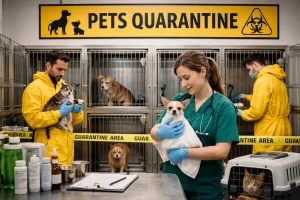
Most cats entering New Zealand from the United States need to stay in an approved quarantine facility after arrival. This is often one of the most important booking steps because the flight plan and import permit depend on available quarantine space.
MPI’s import health standard states that cats and dogs are transferred under biosecurity control to a quarantine facility after arrival, where they must meet veterinary certificate requirements before release.
For many USA-to-New Zealand relocations, the quarantine stay is commonly planned as a minimum 10-day period at an approved facility, although final requirements should always be checked against the current MPI import standard and permit conditions. Private pet relocation providers also commonly explain that cats and dogs arriving from countries other than Australia usually need at least 10 days in quarantine.
Choosing the Right Airline Crate for Your Cat
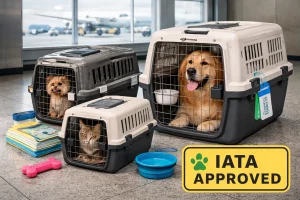
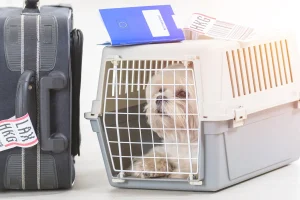
Having a suitable travel crate also makes it feel safer. Your cat should have enough space to stand, turn around and lie down naturally Furthermore, the crate needs to abide along with airline company and also worldwide sky transportation requirements.
Begin crate training weeks prior to the departure. Your crate should be in a quiet place, door open, with a soft blanket that has the smell of home. Finally, toss bits of treats inside the crate. Eventually your cat will start to interpret the crate as a safe place as opposed to something that is capturing them.
Never purchase a crate just a few days earlier than travel. Cats dislike sudden changes. This is why a familiar crate can help with anxiety traveling from the USA to New Zealand as it already provides comfort.
Stress Reduction Tips Before the Flight
Cats prefer their world to remain a known thing in which they feel safest. Therefore, the Care for Weekdays before traveling but sticking as Closely As a Possible To feeding schedules, litter tray position, play time and resting sections. But remember, even though your home may be frantically filled with boxes, your cat likes routine.
Use these cat stress reduction tips before international travel:
Make the crate available to see every day. Add familiar bedding inside it. Crate time is never forced, use calm handling. Plan the vet visits in advance so that those last days remain quieter. Never do big changes in diet before a trip unless told by your vet to themselves.
If your cat is getting scared and hiding while packing, consider setting up one quiet “cat room” with food/water/ litter box/ their bed and familiar toys. This stops your cat who is frightened of boxes, strangers, open doors and noise.
Vet Advice for Nervous Cats
Some pet owners were wondering about sedatives for flights. Aspiration may also trigger anaphylaxis, especially in people with food allergies or certain health and environmental conditions, including asthma. Instead talk to your vet about safe stress-management strategies.
Your vet may recommend pheromone support, behaviour training, crate desensitisation or other non-sedating methods. If your cat has asthma, heart disease, kidney disease or anxiety issues you should discuss flight suitability a long time in advance of travel.
Most of the time a healthy cat travels nicely when the owner takes their time to slowly and carefully acclimate them. Thus, vet planning needs not only address travel fitness, but emotional comfort.
USA to New Zealand Cat Shipping Timeline
Although each case differs, this sample timeline can help owners plan.
|
Time Before Travel |
What to Do |
|
6–7 months before |
Review MPI rules, speak to a pet shipping specialist, check microchip and vaccine history |
|
4–6 months before |
Complete rabies-related steps and testing if required |
|
2–3 months before |
Book quarantine, confirm airline route, prepare import permit documents |
|
1 month before |
Confirm final vet appointments, crate training, paperwork order |
|
Final 10 days |
Complete required veterinary checks, treatments, and certificate steps |
|
Travel week |
Keep routine calm, prepare copies of documents, confirm flight and arrival handling |
This timeline is general. However, because New Zealand import rules include official veterinary certification and government endorsement, owners should not rely on casual advice or outdated internet posts.

Common Mistakes to Avoid
Many delays happen because small details do not match. For example, a microchip number may appear differently on a rabies certificate. A vet may use the wrong form. A quarantine booking may not match the arrival airport. Alternatively, owners may underestimate the time needed for official endorsement.
To avoid problems, check every document carefully. The cat’s name, microchip number, breed, colour, age, owner details, vaccine dates, and treatment dates should match across records. In addition, use a USDA-accredited veterinarian who understands international pet exports.
Arrival in New Zealand: What Happens Next?
After landing, your cat does not simply leave the airport with you. Instead, approved handlers and biosecurity processes apply. The cat normally moves under official control to the booked quarantine facility. During quarantine, staff monitor health, feeding, behaviour, and documentation clearance.
Once MPI requirements are satisfied, your cat can be released. After that, the adjustment period begins at home. Keep your cat indoors, use the same food at first, and set up one quiet room with litter, bedding, water, and hiding places. Gradually allow access to more areas as your cat settles.
Related Articles:
» Pet shipping from Saudi Arabia to South Korea: Documents + Timeline + Cost factors
» Oman to Bahrain Pet Relocation Rules Update (Dogs & Cats)
» Pet shipping from Switzerland to UK: Documents + Timeline + Cost factors
» Singapore to Malaysia Pet Relocation Step-by-Step Guide (Dogs & Cats)
» Moving a Dog from Philippines to Netherlands: Crate Rules, Airline Routing, and Arrival Steps
How Pet Shipping Support Makes the Process Easier
A professional pet shipping service from USA to New Zealand can coordinate the moving parts. This may include route planning, crate advice, vet schedule guidance, import permit support, quarantine coordination, APHIS endorsement checks, and airline communication.
For cat owners, this support can reduce stress because one missed detail may delay travel. Moreover, a pet shipper understands how to balance paperwork compliance with animal comfort.
Final Thoughts
Importing a cat from the USA to New Zealand requires patience, planning and paperwork. The scenario becomes much simpler when you evaluate it beforehand using a comprehensive checklist. Compliant paperwork, a secure crate with all travel arrangements approved and an easy preparation.
Above all, keep it in mind that your cat has nothing to understand the move. All your cat needs from you is to slow it down, make it a little bit safer and a little more predictable. So with the right plan, your cat can arrive in New Zealand ready to get started on their new life with you.
FAQs About Moving a Cat from USA to New Zealand
If your cat meets various MPI import health requirements, travels with appropriate documentation and undergoes essential arrival processing.
Yes, the majority of cats being introduced into New Zealand will require an MPI import licence. However, this MPI permit is also mentioned by USDA APHIS as an arrival document for pets from the USA when they arrive in New Zealand.
For most USA-to-New Zealand cases, arrival post-arrival quarantine of your cat in a MPI-approved facility is required. It is worthwhile checking the current MPI permit and import health standard for confirmation of the exact requirement.
Several pet shipping sites and relocation resources state that the typical quarantine period for cats coming from countries other than Australia is approximately 10 days. But owners should always check the latest MPI requirements before travelling.
Your cat may need a microchip record, rabies documents, test results, MPI import permit, quarantine booking, APHIS-endorsed health certificates, Air Waybill, customs form, and owner ID.
A USDA-accredited veterinarian completes the required veterinary health certificates, and APHIS endorses them before travel.
Start at least 6 months ahead where possible. This gives you enough time for vaccination checks, testing, import permit preparation, quarantine booking, and crate training.
The most common international pet movements involve pets being flown through approved cargo and biosecurity channels to New Zealand. Prior to booking, always double check the airline and MPI rules.
Your cat should not be sedated unless specifically advised to do so by your veterinarian. That is why many vets avoid sedation for air travel as this can present health hazards.
Do not sedate your cat unless your veterinarian specifically advises it. Many vets avoid sedation for air travel because it can create health risks.
Your cat will usually move under biosecurity control to the approved quarantine facility. After clearance and completion of requirements, your cat can be released.
Yes, it can help. A professional pet shipper can manage paperwork timing, airline requirements, quarantine coordination, crate guidance, and export document checks.